Dark Circles and Eye Fatigue in Children

Dark Circles and Eye Fatigue in Children: Causes and Treatment

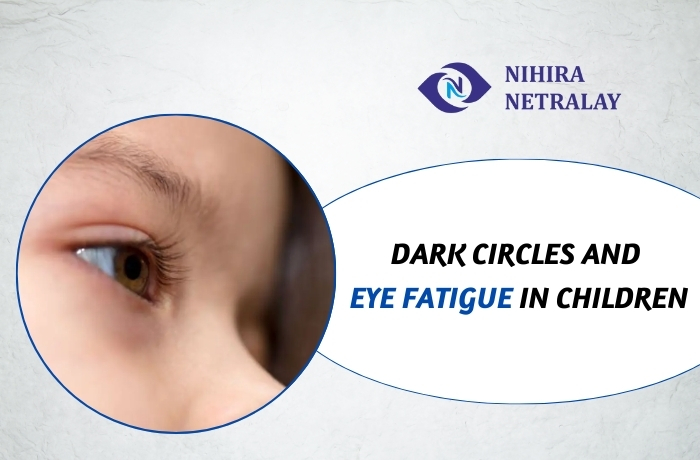
Children’s eye fatigue and dark circles are becoming more common problems that can hamper their general well-being and worry parents. While dark circles are frequently linked to adults, a variety of physical, lifestyle, and environmental factors can also cause these symptoms in children. It is possible to effectively manage dark circles and eye fatigue in children and improve their health by being aware of the causes and available treatments.

What Causes Dark Circles and Eye Fatigue in Children?

Dark circles and eye fatigue may seem like simple issues, but they often point to underlying causes that need attention. Here are some common reasons why children develop dark circles and experience eye fatigue:

1. Insufficient Sleep

Sleep is essential for children’s physical and mental development, and insufficient rest can lead to prominent dark circles under their eyes. When children don’t get enough sleep, blood vessels around the eyes become more visible, causing a dark or bluish tint around the eyes. In addition to dark circles, sleep deprivation can cause eye fatigue, leading to symptoms such as dry, red, and sore eyes.

2. Allergies and Sinus Problems

Dark circles are more common in kids who have allergies or sinus problems. Histamine is released during allergic reactions, causing blood vessels to dilate and appear darker beneath the thin skin surrounding the eyes. Allergy-related rubbing and itching can worsen skin damage and cause eye fatigue because of the continuous strain and irritation.

3. Genetics and Skin Pigmentation

Genetics plays a significant role in determining whether a child is prone to dark circles. If there is a family history of dark circles, children may inherit thinner skin or increased pigmentation around the eyes, making them more susceptible to under-eye darkness. Additionally, children with darker skin tones tend to show pigmentation changes more prominently.

4. Dehydration and Poor Diet

Dehydration is another factor that can lead to dark circles and eye fatigue in children. When the body lacks enough water, the skin under the eyes can look dull and sunken, emphasizing dark circles. A diet lacking essential nutrients, especially vitamins A, C, E, and K, can further exacerbate the problem by reducing skin health and elasticity.

5. Increased Screen Time

With the rise in digital learning and recreational screen use, children are exposed to screens for extended periods, leading to digital eye strain. Eye fatigue and dark circles are common in children who spend hours in front of screens without adequate breaks, resulting in dry, irritated, and tired eyes.

6. Environmental Factors

Exposure to pollution, dust, and irritants can impact children’s eye health, leading to both dark circles and eye fatigue. These environmental elements can trigger allergic reactions or cause inflammation, which may contribute to dark circles due to constant rubbing and eye strain.

Symptoms of Eye Fatigue and Dark Circles in Children

Recognizing the signs of eye fatigue and dark circles in children is essential for early intervention. Some common symptoms include:

  • Darkened under-eye skin: The area below the eyes appears darker, bluish, or purplish.
  • Red or dry eyes: Prolonged screen time and fatigue often result in redness, dryness, or even itching.
  • Irritability and mood changes: Poor sleep and eye strain can cause children to become irritable, lethargic, or even disinterested in activities.
  • Eye rubbing: Children experiencing eye fatigue may rub their eyes frequently, which can worsen dark circles and lead to further eye strain.

Effective Treatment and Prevention for Dark Circles and Eye Fatigue in Children

1. Prioritize Sleep and Create a Routine

Ensuring children get sufficient rest is crucial for preventing dark circles and eye fatigue. Establish a consistent sleep schedule, and create a calming bedtime routine to help them unwind. Limiting screen time at least an hour before bed can improve sleep quality by reducing eye strain and helping children fall asleep more easily.

2. Address Allergies Promptly

If allergies or sinus problems are contributing factors, consider consulting a pediatrician for appropriate treatment. Antihistamines, nasal sprays, or other prescribed medications can alleviate allergy symptoms, reducing dark circles and relieving eye fatigue. Encouraging children to avoid rubbing their eyes can also help minimize irritation.

3. Encourage a Nutrient-Rich Diet

A well-balanced diet that includes fresh fruits, vegetables, and adequate hydration can make a significant difference. Incorporating foods high in vitamins A, C, E, and K promotes skin health and reduces the appearance of dark circles. Hydration is also vital, so encourage children to drink plenty of water throughout the day to keep their skin looking healthy and fresh.

4. Limit Screen Time and Encourage Breaks

Set limits on daily screen time, especially for non-educational purposes. The 20-20-20 rule is an effective method to prevent digital eye strain: every 20 minutes, children should look at something 20 feet away for 20 seconds. This simple technique allows the eyes to rest and helps prevent both dark circles and fatigue caused by prolonged screen exposure.

5. Use Cold Compresses

Cold compresses or chilled cucumber slices can reduce puffiness and dark circles around the eyes. Applying a cold compress for a few minutes can constrict blood vessels, reducing the prominence of dark circles and providing relief from eye strain. Make sure the compress is not too cold, and avoid applying pressure to avoid skin sensitivity.

6. Maintain a Clean and Allergen-Free Environment

Keep children’s rooms free from dust and allergens that can trigger sinus problems and allergies. Using an air purifier can help reduce airborne irritants and create a cleaner environment. This practice helps reduce allergy symptoms, which in turn minimizes dark circles and eye strain caused by allergies.

When to Seek Medical Help

While dark circles and eye fatigue in children are often not serious, some cases may require professional intervention. Seek medical advice if:

  • Dark circles are accompanied by swelling, pain, or other concerning symptoms.
  • Eye fatigue is affecting the child’s ability to concentrate or function normally.
  • Home remedies and preventive measures do not improve the condition.

A pediatric ophthalmologist can conduct an in-depth analysis to find any underlying conditions that might need special care. Consult Dr. Ankita Patil For your child’s eye health. she is one of the best pediatric ophthalmologist in Nerul, Seawoods, Navi Mumbai.

Find the best child eye specialist in Nerul

Children’s dark circles and eye fatigue may seem concerning, but they can be effectively managed with the right knowledge and preventative actions. Making small adjustments to daily routines and addressing lifestyle factors like nutrition, screen time, and sleep can have a big impact on kids’ eye health. Parents can guarantee the well-being of their children and assist them in leading healthy, active lives by heeding these preventive tips and understanding when to consult a professional.

To Book An Appointment with Dr. Ankita Patil contact this number 8779690795 

Signs Your Child May Need Glasses: What to look Out For

Signs Your Child May Need Glasses

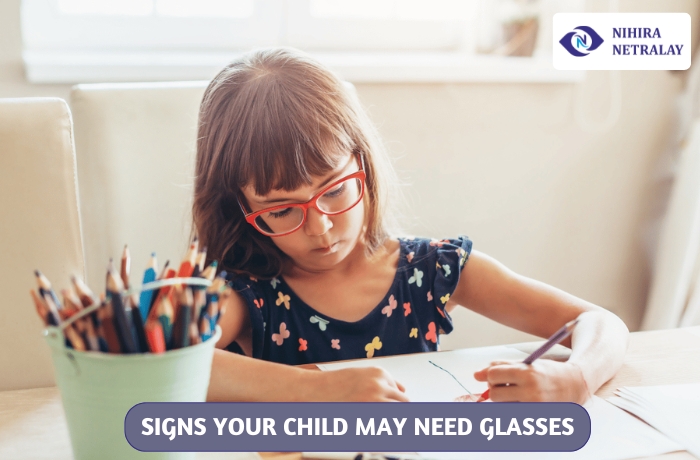
As parents, our child’s health is always a top priority. While we often focus on physical well-being, eye health is sometimes overlooked. Vision problems in children can go undetected because they may not know how to express what they’re experiencing. Identifying signs that your child may need glasses early on can help ensure their overall development, especially in areas like education and social interaction.

Why Early Detection is Crucial

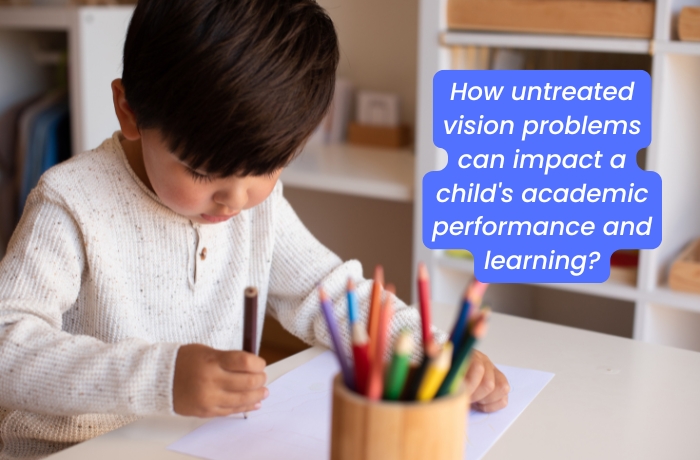
Children rely heavily on their vision for learning, play, and interaction with the world around them. When a child has undiagnosed vision problems, it can impact their cognitive development, behavior, and academic performance. Early detection and treatment of vision issues can prevent these problems from worsening and enable your child to succeed in school and other activities.

Common Signs That Your Child May Need Glasses

1. Frequent Squinting

One of the most obvious signs of vision problems is squinting. When a child squint, they are trying to reduce the amount of light entering their eyes to focus better. Squinting could be a sign of nearsightedness (myopia), farsightedness (hyperopia), or astigmatism, all of which can be corrected with glasses. Pay attention if your child frequently squints, especially when reading, watching TV, or focusing on distant objects.

2. Sitting Too Close to Screens

Children who need glasses often have difficulty seeing things at a distance. If your child is constantly sitting very close to the TV, holding books or tablets too close to their face, or leaning in to see the board at school, it could indicate nearsightedness. Digital eye strain, which can exacerbate vision problems, may also develop if they spend a lot of time in front of screens without proper visual correction.

3. Frequent Eye Rubbing

If your child frequently rubs their eyes, it may be a sign of eye strain or fatigue. While occasional eye rubbing is normal, constant rubbing, especially after reading or screen time, may indicate that your child’s eyes are working too hard to focus. This can be caused by conditions like hyperopia, astigmatism, or even dry eye syndrome.

4. Complaints of Headaches or Eye Pain

Children with uncorrected vision problems may experience frequent headaches, particularly around the forehead or temples, after activities that require focus. These headaches can result from the eye strain caused by trying to compensate for blurred vision. If your child regularly complains of headaches after reading, using a computer, or watching TV, it’s worth having their eyes checked by an optometrist.

5. Covering One Eye or Tilting Their Head

Sometimes children develop a habit of covering one eye or tilting their head to see better. This can be a sign of amblyopia (lazy eye) or strabismus (crossed eyes). These conditions occur when the eyes are not properly aligned, causing one eye to be weaker than the other. Glasses can often help correct these issues, especially if they are detected early.

6. Trouble Concentrating on Tasks

Children with vision problems may have difficulty focusing on tasks for extended periods, especially tasks that require close-up work like reading or writing. Struggling with concentration, avoiding homework, or losing interest in reading could be a sign that they are having difficulty seeing clearly. Vision problems can also lead to behavioral issues, as frustration from not being able to see properly may cause a child to act out or become disinterested in school activities.

7. Holding Reading Material Too Close or Too Far

If your child frequently holds books or other reading materials too close to their face or at arm’s length, it may be a sign of a vision problem. Children with farsightedness may hold items far away to see them more clearly, while children with nearsightedness may bring items closer. This behavior could also indicate presbyopia, though this is rarer in children.

8. Poor Performance in School

Vision problems can directly affect a child’s academic performance. If your child is struggling in school despite putting in effort, they may not be able to see the chalkboard, read from textbooks, or follow along in class. Poor vision can hinder their ability to focus, comprehend lessons, and complete assignments. Teachers may mistake a child’s lack of participation as disinterest, but it could be a sign of undiagnosed vision issues.

9. Eye Misalignment

If one or both of your child’s eyes appear misaligned, or if they seem to wander, it could be a sign of strabismus. This condition affects the way the eyes work together and can lead to vision problems if not corrected. Early intervention with glasses, and sometimes vision therapy, can help prevent complications like lazy eye (amblyopia) from developing.

The Importance of Regular Eye Exams

While recognizing these signs is important, the most effective way to ensure your child’s eye health is through regular eye exams. Even if your child is not displaying obvious signs of vision problems, scheduling routine check-ups with an eye care professional can help detect any issues early on. Optometrists and ophthalmologists can conduct thorough eye exams, assess your child’s visual acuity, and prescribe glasses if needed.

Most eye care professionals recommend that children have their first comprehensive eye exam before the age of three and then annually, or as recommended by their eye doctor. These exams can detect refractive errors, eye alignment issues, and other eye health conditions that may not be immediately obvious.

How Glasses Can Help

For children who are diagnosed with vision problems, glasses are often the first step in improving their vision and overall quality of life. Prescription glasses can correct a variety of common vision issues such as nearsightedness, farsightedness, astigmatism, and eye coordination problems. Wearing glasses not only helps children see more clearly but also reduces the eye strain and discomfort they may be experiencing.

In some cases, glasses may also be used in combination with vision therapy to address specific issues like amblyopia or strabismus. By correcting these problems early on, children can avoid more serious vision complications later in life.

Taking Action for Your Child’s Eye Health

If you’ve noticed any of the signs mentioned above, it’s crucial to take your child to an eye care professional for a comprehensive eye exam. Addressing vision problems early can have a profound impact on your child’s academic performance, social development, and overall well-being. Glasses can significantly improve their ability to see clearly and engage with the world around them. Consult Dr. Ankita PatilChild eye specialist in  Nerul, Navi Mumbai at Nihra Netralay. To Book An Appointment contact this number +91 8779690795

Paediatric squint treatment

Paediatric Squint in Children: Symptoms, Diagnosis and Treatment

Understanding Paediatric Squint

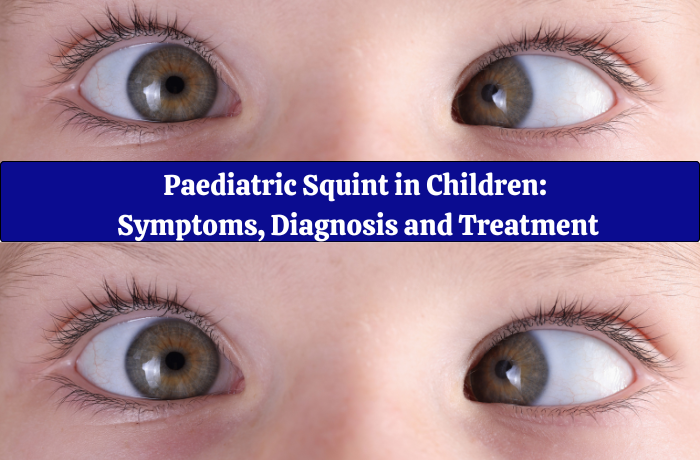
Paediatric squint, also known as strabismus, is a condition where a child’s eyes do not align properly. One eye may turn inwards, outwards, upwards, or downwards while the other eye looks straight ahead. This misalignment can affect a child’s depth perception and vision development.

Symptoms of Squint in Children

Identifying squint in children can be challenging, especially in young ones who may not express their visual discomfort. Here are some common symptoms to look out for:

1. Misaligned Eyes: One eye may appear to wander or turn in a different direction compared to the other.

2. Crossed Eyes: The eyes may turn inward or outward, especially when the child is tired or looking at something close.

3. Difficulty with Eye Coordination: The child may struggle to focus on objects or seem to have difficulty with depth perception.

4. Head Tilting: The child may tilt their head or cover one eye to see better, trying to correct their vision.

5. Frequent Eye Rubbing: Excessive rubbing of the eyes can indicate visual discomfort or strain.

Identifying Paediatric Squint

Accurate identification is crucial for effective treatment. Here’s how paediatric squint is typically identified:

  • Eye Examination: An ophthalmologist will perform a comprehensive eye examination to assess the alignment and movement of the eyes.
  • Cover Test: This test involves covering one eye to observe the movement of the uncovered eye, helping to identify misalignment.
  • Refraction Test: Determines if refractive errors such as nearsightedness or farsightedness are contributing to the squint.
  • Visual Acuity Test: Assesses how well each eye can see, which helps in understanding the extent of the squint and its impact on vision.

Treatment Options for Paediatric Squint

The treatment for paediatric squint depends on the severity of the condition and the age of the child. Common treatment options include:

Glasses: Corrective lenses can help manage refractive errors that may contribute to the squint. They can also improve visual alignment.

Eye Patching: Wearing a patch over the stronger eye can help strengthen the weaker eye and improve overall eye coordination.

Eye Exercises: Specific exercises may be recommended to improve the coordination and alignment of the eyes.

Surgery: In some cases, surgical intervention may be necessary to correct the muscle imbalance and align the eyes properly.

Why Early Intervention Matters

Early identification and treatment are essential for the best outcomes. If left untreated, paediatric squint can lead to amblyopia (lazy eye) or other vision problems. Timely treatment can significantly improve the child’s visual development and quality of life.

Expert Care for Paediatric Squint

If you suspect your child has a squint or if you need professional advice, consulting an experienced ophthalmologist is crucial. Dr. Ankita Patil at Nihira Netralay specializes in paediatric squint treatment and can provide comprehensive care tailored to your child’s needs. For expert squint eye treatment in Nerul, Navi Mumbai, consider reaching out to Dr. Patil for a thorough evaluation and personalized treatment plan.

For more information or to schedule a consultation, contact Nihira Netralay today. Your child’s vision health is in expert hands.

Regular Eye Check-Ups for Children

The Importance of Regular Eye Check-Ups for Children

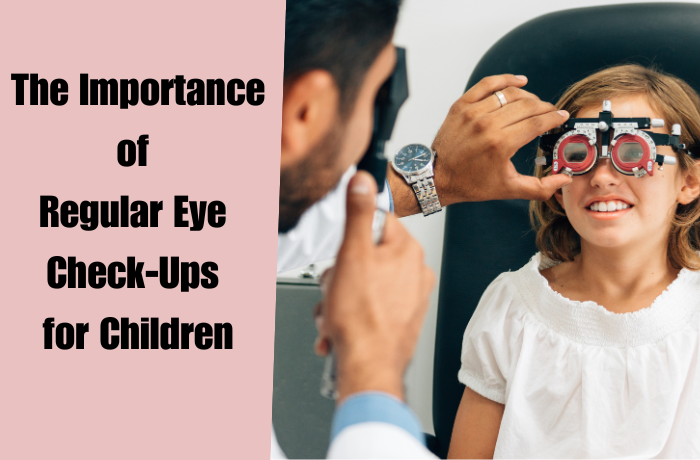
Taking your child for regular eye check-ups is crucial for their health and development. Even if your child doesn’t seem to have any vision problems, some issues can only be found during an eye exam. Catching these problems early helps ensure your child has the best possible vision as they grow.

Why Are Regular Eye Check-Ups Important?

Children’s eyes are still developing, and even small vision problems can have a big impact on their learning and daily life. Here’s why regular eye check-ups matter:

  1. Spotting Vision Problems Early
    • Children can develop issues like nearsightedness, farsightedness, or astigmatism. These can affect their ability to see clearly in school.
    • Early detection through regular eye exams means these problems can be corrected with glasses or other treatments.
  2. Preventing Lazy Eye (Amblyopia)
    • Lazy eye happens when one eye is weaker than the other, often because it isn’t being used as much.
    • Regular check-ups can catch this early, allowing for treatment that strengthens the weaker eye.
  3. Checking Eye Alignment
    • Conditions like crossed eyes (strabismus) can cause problems with depth perception and vision.
    • An eye doctor can monitor this and suggest treatments to improve eye coordination.
  4. Finding Eye Diseases Early
    • Some eye diseases, like congenital cataracts or childhood glaucoma, may not show obvious symptoms at first.
    • Regular exams help catch these diseases early, which is key to protecting your child’s vision.
  5. Supporting Learning
    • Good vision is essential for reading, writing, and learning in school.
    • Regular eye exams help ensure that your child’s vision supports their academic success.

When Should Your Child Have Their First Eye Exam?

Experts recommend that children have their first eye exam at six months old. The next exams should be at age three and just before they start school. After that, your child should have an eye exam every two years, or more often if needed.

What Happens During a Child’s Eye Exam?

During an eye exam, the doctor will:

  • Check How Well Your Child Sees: This involves simple tests to see if your child can see clearly at different distances.
  • Look at Eye Alignment: The doctor will see if your child’s eyes are working together properly.
  • Test for Vision Problems: The doctor will check for common issues like nearsightedness, farsightedness, and astigmatism.
  • Check Eye Health: The doctor will examine the overall health of your child’s eyes.

How Can Parents Help?

As a parent, you can help by watching for signs that your child might have vision problems, like squinting or complaining about headaches. Encourage them to take breaks from screens and make sure they wear protective glasses when playing sports.

Finding the Right Eye Doctor

If you’re searching for a Children Eye Care Specialist in Navi Mumbai, it’s important to choose a doctor who understands children’s needs. They should make your child feel comfortable and offer the latest treatments.

Regular eye check-ups are key to catching vision problems early and ensuring your child’s eyes stay healthy. This helps your child do their best in school and in life. If you’re looking for expert Paediatric eye care in Navi Mumbai, consider visiting Nihira Netralay. Dr. Ankita Patil, a trusted eye doctor in Navi Mumbai, specializes in caring for children’s eyes and is committed to giving your child the best possible care.

Call Now Button