Pink Eye Conjunctivitis

Pink Eye in Kids: Symptoms, Treatment, and Prevention Tips

Pink eye, also known as conjunctivitis, is a common eye condition in children that causes redness, itching, and discharge. While it can be uncomfortable, it’s usually not serious and can be treated effectively.

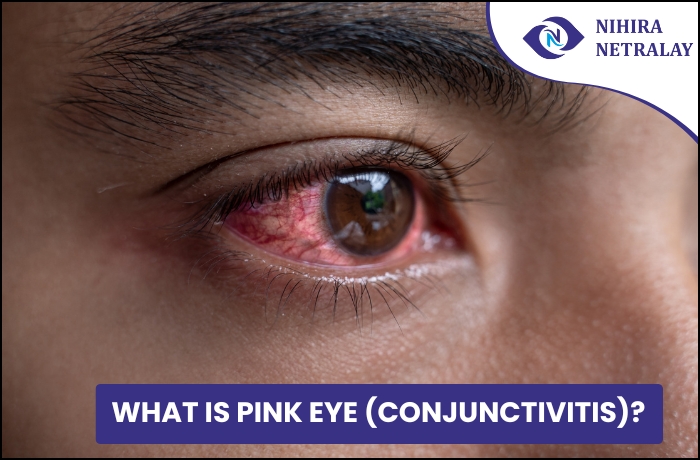
What is Pink Eye (Conjunctivitis)?

Pink eye is an inflammation of the conjunctiva, the thin, clear tissue covering the white part of the eye and the inner eyelid. It can be caused by:

  • Viral infections (most common, highly contagious)
  • Bacterial infections (requires antibiotics)
  • Allergies (not contagious, triggered by irritants like pollen or dust)

Symptoms of Pink Eye in Kids

Look out for these signs if you suspect your child has pink eye:

✔ Redness in one or both eyes
✔ Watery or thick discharge (yellow or green in bacterial cases)
✔ Itching or burning sensation
✔ Swollen eyelids
✔ Sensitivity to light
✔ Crusty eyelids (especially after waking up)

If symptoms persist or worsen, visit Nihira Netralaya, the best eye clinic in Nerul, for expert care.

How is Pink Eye Treated?

Treatment depends on the cause:

1. Viral Conjunctivitis

  • Usually clears up on its own in 7-10 days.
  • Use cold compresses to soothe irritation.
  • Avoid rubbing the eyes to prevent spreading.

2. Bacterial Conjunctivitis

  • Requires antibiotic eye drops or ointments (prescribed by a doctor).
  • Symptoms improve within 2-3 days of treatment.

3. Allergic Conjunctivitis

  • Antihistamine eye drops can help.
  • Avoid allergens like pollen, dust, or pet dander.

For personalized treatment, consult Dr. Ankita Patil, a trusted pediatric eye doctor in Navi Mumbai, at Nihira Netralaya.

How to Prevent Pink Eye in Kids?

Since pink eye spreads easily, follow these prevention tips:

  • Teach kids to wash hands frequently with soap and water.
  • Avoid touching or rubbing eyes.
  • Use clean towels and pillows.
  • Disinfect surfaces like doorknobs and toys.
  • Keep kids home from school if contagious.

When to See a Doctor?

  • Symptoms last more than a week.
  • There’s severe pain or vision changes.
  • Your child has a weakened immune system.

For expert care, consult Dr. Ankita Patil, a leading pediatric ophthalmologist in Navi Mumbai, at Nihira Netralaya, Nerul.

Pink eye is common in kids but manageable with proper care. Early detection and treatment can prevent complications. If your child shows persistent symptoms, visit Nihira Netralaya, the top eye hospital in Nerul, for professional guidance.

Effective ways to protect your eyes

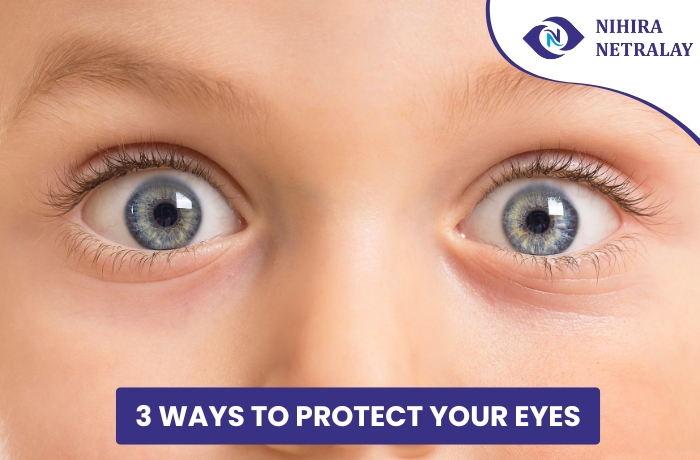
3 Effective Ways to Protect Your Eyes

In this digital age, eye health is more important than ever. Children, especially, are spending increasing amounts of time in front of screens, which makes it essential for parents to understand how to protect their little ones’ eyes. Dr. Ankita Patil, a reputable pediatric eye specialist in Navi Mumbai, highlights the need for proper eye care to maintain good vision and overall eye health. Here are three effective ways to protect your eyes, particularly for children:

1. Encourage Good Screen Habits

With the rise of online learning and digital entertainment, children are more likely to spend excessive time looking at screens. To minimize the risk of digital eye strain, follow the 20-20-20 rule: every 20 minutes, have your child look at something 20 feet away for at least 20 seconds. This simple habit helps reduce eye fatigue and can prevent discomfort. Additionally, ensure that your child maintains a proper distance from screens—ideally about an arm’s length away.

2. Promote Outdoor Activities

Encouraging children to play outdoors can significantly benefit their eye health. Natural light exposure is crucial for developing healthy vision and can help prevent myopia (nearsightedness). Aim for at least two hours of outdoor play each day. Activities like team sports, hiking, or simply playing outside not only promote physical well-being but also contribute positively to eye health. Dr. Ankita Patil, a leading kids’ eye doctor in Navi Mumbai, often advises parents to prioritize outdoor time as part of their daily routine.

3. Regular Eye Check-ups

Routine eye examinations are fundamental for early detection and prevention of potential vision problems.Eye specialist recommends that children have their eyes checked routinely, starting from infancy. These check-ups ensure that any issues, such as refractive errors or eye alignment problems, are identified and addressed promptly.

Eye health is crucial for children’s development and quality of life. By implementing good screen habits, promoting outdoor activities, and committing to regular eye check-ups, you can significantly protect your child’s eyes. For expert advice and care, consult with Dr. Ankita Patil, a dedicated pediatric eye specialist in Navi Mumbai.

FAQs about Protecting Your Child’s Eyes

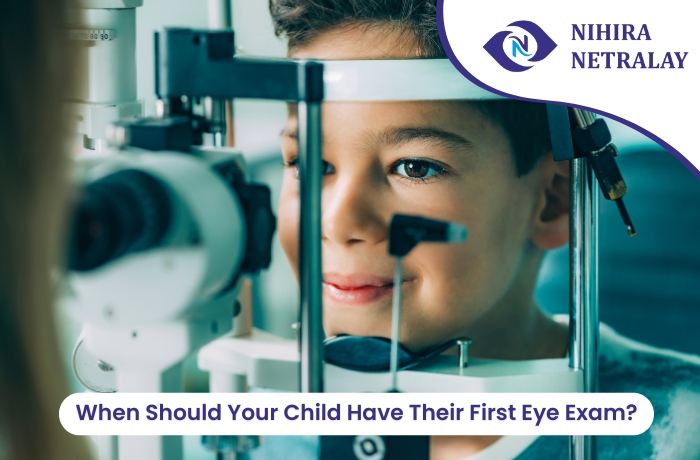
1. At what age should my child have their first eye exam?

It’s recommended that children have their first comprehensive eye exam at around six months of age. After that, they should have additional exams at age 3 and before starting kindergarten. Early detection of vision problems is crucial, and the earlier these issues are identified, the more effectively they can be treated.

2. How can I tell if my child has vision problems?

Signs of potential vision problems in children include squinting, rubbing their eyes frequently, complaining of headaches, trouble seeing the board in school, or difficulty reading. If you notice any of these symptoms, it’s important to consult a pediatric eye specialist.

3. Are there specific foods that can help improve my child’s eye health?

Yes, a nutritious diet can contribute significantly to eye health. Foods rich in vitamins A, C, and E, as well as omega-3 fatty acids, are highly beneficial for vision. Incorporate foods such as carrots, leafy greens, fish, nuts, and oranges into your child’s diet to support their eye health. Encouraging a balanced diet rich in antioxidants can help protect their eyes from damage and support overall well-being.

What Can I Do to Improve My Child's Eyesight and Vision

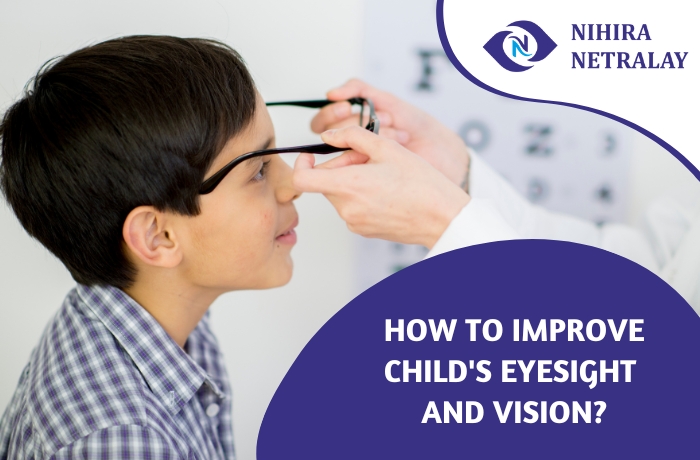
What Can I Do to Improve My Child’s Eyesight and Vision?

As parents, we want the best for our children, including maintaining their vision. If you are wondering how you can improve your child’s eyesight and vision, you are not alone. Good eyesight is essential for your child’s daily activities, including reading, playing, and even socializing. Fortunately, there are several ways you can support your child’s vision from a young age.

1. Schedule Regular Eye Exams for Your Child

A crucial step in improving your child’s eyesight is early detection of vision issues. Just like regular check-ups for other aspects of your child’s health, eye exams should be part of their routine health care. Pediatric optometrists recommend that children have their first comprehensive eye exam at 6 months of age, followed by additional exams at age 3, and again before kindergarten or first grade. Regular exams help identify any potential issues such as nearsightedness, farsightedness, astigmatism, or more serious conditions like amblyopia (lazy eye) or strabismus (crossed eyes).

2. Encourage Healthy Diet for Better Vision

What your child eats directly impacts their eye health. A balanced diet rich in nutrients plays a key role in maintaining healthy eyesight. Foods that are particularly beneficial for vision include:

  • Carrots and other orange vegetables like sweet potatoes and pumpkins: Rich in beta-carotene, which is essential for good vision.
  • Leafy greens such as spinach, kale, and collard greens: These are high in lutein and zeaxanthin, antioxidants that help protect the eyes from harmful light and reduce the risk of eye diseases.
  • Fish like salmon, tuna, and sardines: These are packed with omega-3 fatty acids, which can help protect the retina and support eye development.
  • Eggs: Full of vitamin A and zinc, both of which are critical for eye function.
  • Citrus fruits like oranges and grapefruits: Rich in vitamin C, which promotes the health of blood vessels in the eyes.

A healthy diet full of these nutrients supports retinal health, enhances vision clarity, and may prevent eye diseases down the road.

3. Limit Screen Time and Encourage Outdoor Activities

With the increased use of digital devices like tablets, smartphones, and computers, children are spending more time indoors, leading to eye strain and a higher likelihood of developing nearsightedness (myopia). To improve your child’s vision, it’s important to set boundaries on screen time. The American Academy of Pediatrics recommends limiting screen time to no more than two hours per day for children over the age of two.

Encouraging outdoor activities is equally important. Studies have shown that outdoor play can help prevent the development of myopia. The natural light exposure from being outside helps stimulate the eyes and promotes healthy eye development. Aim for at least one to two hours of outdoor activity every day. Activities like playing sports, hiking, or simply going for a walk can be great ways to keep your child engaged in nature.

4. Ensure Proper Lighting for Reading and Study

Proper lighting is essential for reducing eye strain and maintaining good eyesight. If your child is reading or studying, ensure they have adequate lighting to avoid eye fatigue. Lighting should be bright enough to avoid straining the eyes, but not so harsh that it causes discomfort. A desk lamp with an adjustable arm is ideal for creating the right lighting for reading. When your child is reading, ensure the light source is positioned behind them and directed onto the page.

Additionally, encourage your child to take breaks during long reading or screen sessions to reduce the risk of eye strain. The 20-20-20 rule is an effective strategy to follow: for every 20 minutes of screen time, encourage your child to look at something 20 feet away for at least 20 seconds. This allows the eyes to relax and reduces strain.

5. Protect Your Child’s Eyes from Harmful UV Rays

Just like skin, your child’s eyes are vulnerable to damage from the sun’s ultraviolet (UV) rays. Long-term UV exposure can lead to cataracts, macular degeneration, and other vision problems later in life. To safeguard your child’s eyesight, always have them wear UV-protective sunglasses when outdoors. Look for sunglasses that block 100% of both UVA and UVB rays. Make sure the sunglasses fit properly and are comfortable to wear.

In addition to sunglasses, hats with wide brims can provide extra protection for your child’s eyes from the sun.

6. Address Any Vision Problems Early On

If you notice signs of vision problems in your child, such as squinting, rubbing their eyes frequently, difficulty seeing the board at school, or frequent headaches, it’s important to take action immediately. Early intervention is key to treating vision impairments effectively. Conditions like amblyopia (lazy eye) or strabismus (crossed eyes) can often be corrected if caught early, reducing the risk of long-term vision problems.

If your child is already wearing glasses, make sure their prescription is up-to-date. Frequent eye exams are necessary to ensure that their vision is always optimal.

7. Correct Posture to Prevent Eye Strain

Encouraging your child to maintain proper posture while reading, writing, or using digital devices can help prevent eye strain. Ensure that your child’s eyes are at the same level as the book or screen they are looking at. This helps reduce the strain on their neck and eye muscles. Also, ensure that they are sitting at an appropriate distance from screens (about 18-24 inches) to prevent overworking their eyes.

Good posture habits are not just for preventing eye strain; they can also improve overall physical health and well-being.

8. Encourage Rest and Sleep for Healthy Eyes

Getting adequate sleep is essential for your child’s overall health, including their eye health. Lack of sleep can lead to eye strain, dryness, and discomfort. Ensure your child gets enough rest, especially on school nights. The American Academy of Sleep Medicine recommends the following sleep durations for children:

  • 6-12 years: 9-12 hours of sleep
  • 13-18 years: 8-10 hours of sleep

Adequate sleep allows the eyes to rest and rejuvenate, promoting healthy eyesight.

Steps to Support Your Child’s Eyesight

Ensuring your child’s vision health involves a combination of regular eye exams, a balanced diet, limiting screen time, proper lighting, and good lifestyle choices. Early intervention and ongoing care can prevent or address many eye conditions. By following these tips and encouraging healthy habits, you can significantly improve your child’s eyesight and ensure their vision stays strong as they grow. Dr. Ankita Patil is a renowned child eye specialist in Nerul, Navi Mumbai, offering expert care for children’s vision health. With extensive experience in pediatric ophthalmology, she specializes in diagnosing and treating a wide range of eye conditions in children, including lazy eye (amblyopia), strabismus (crossed eyes), myopia, and hyperopia (farsightedness)

How family history can have an impact on a child's risk of certain eye diseases

How Family History Can Affect Child’s Risk For Certain Eye Conditions

Understanding your family’s health history can be crucial, especially when it comes to eye health for your children. Family history plays a significant role in determining the risk of developing various eye conditions. As a parent, knowing this can help you and your child maintain optimal eye health from an early age.

The Impact of Genetic Factors on Eye Health

Many eye conditions have a genetic component. This means a child may inherit a predisposition to certain eye problems from their parents. Common hereditary eye conditions include:

  1. Myopia (Nearsightedness): Research shows that children with parents who are myopic are more likely to develop myopia themselves.
  2. Hyperopia (Farsightedness): Similarly, hyperopia can also run in families, increasing the chances for children with a family history of the condition.
  3. Astigmatism: This common refractive error can also be influenced by family genetics.
  4. Retinal Diseases: Conditions like retinitis pigmentosa and macular degeneration often have hereditary links.
  5. Strabismus (Crossed Eyes): Having a family history of strabismus increases the risk of this condition in children.

Importance of Early Detection

Understanding that certain eye conditions may be hereditary can empower parents to seek early evaluations for their children. Early detection of conditions like amblyopia (lazy eye) can lead to more effective treatment and better outcomes for kids.

Role of a Child Eye Specialist

When it comes to managing your child’s eye health, consulting a trained child eye specialist such as Dr. Ankita Patil, is invaluable. Dr. Ankita Patil specializes in diagnosing and treating various pediatric eye conditions. Regular eye examinations can help identify any potential issues early.

What to Discuss During Your Visit

During your appointment with a child eye specialist, be sure to discuss:

  • Any known family history of eye problems
  • Observations about your child’s vision or eye health
  • Recommendations for regular eye screenings based on your family history

Preventive Measures and Care

While genetics plays a crucial role in eye health, there are proactive steps parents can take to mitigate risks:

  • Regular Eye Check-ups: Schedule eye exams to monitor your child’s vision as they grow.
  • Healthy Lifestyle: Encourage a diet rich in vitamins A, C, and E, omega-3 fatty acids, and other nutrients essential for eye health.
  • Protective Eyewear: When necessary, ensure your child wears protective eyewear, especially during sports activities or when using digital devices.

Find the best child eye doctor in Navi Mumbai

Family history is an important factor in determining a child’s risk for certain eye conditions. By understanding these risks and consulting with specialists like [ Dr. Ankita Patil – Child eye specialist in Navi Mumbai ] parents can take informed steps to ensure their children maintain optimal eye health. Regular screenings and a preventive approach will help in catching potential issues early, ensuring better outcomes for their children’s vision.

FAQs: How Family History Can Affect a Child’s Eye Health

1. Can family history affect a child’s eye health?
Yes, certain eye conditions like nearsightedness, glaucoma, or cataracts can be passed down from parents or relatives.

2. What eye problems can children inherit from their family?
Children can inherit issues like crossed eyes, color blindness, or retinal diseases from family members.

3. How can parents help if there’s a family history of eye conditions?
Parents should schedule regular eye check-ups to catch and treat potential problems early.

How Vision Issues Affect a Child's Learning

How Vision Issues Affect a Child’s Learning

A child’s academic and personal development depends on their ability to see and process visual information effectively. Vision is one of the most important senses for learning, with almost 80% of learning relying on visual cues. If a child experiences vision problems, it can have a profound effect on their ability to engage with their environment, understand lessons, and perform at school.


The Role of Vision in Learning

Vision is more than just seeing clearly; it is a complex set of skills that includes visual perception, eye-hand coordination and visual memory. Children rely on these skills to read, write and understand the world around them. If any of these aspects are impaired, learning becomes much more difficult.

For example:

  • Visual acuity is essential for reading text on a board or book.
  • Eye tracking ensures the ability to follow a line of text smoothly.
  • Focusing ability helps shift focus between a book and the teacher.
  • Depth perception aids in understanding spatial relationships.

If any of these processes are disrupted, the child may struggle academically.


Common Vision Issues That Impact Learning

Refractive Errors

Refractive errors like nearsightedness (myopia), farsightedness (hyperopia), and astigmatism are some of the most common vision issues in children. These conditions cause blurry vision, making it difficult for children to focus on the blackboard, books, or digital screens.

Strabismus (Crossed Eyes)

Strabismus is a condition where the eyes do not align properly. This can lead to difficulties with depth perception and double vision, making reading and writing a challenge.

Amblyopia (Lazy Eye)

Amblyopia occurs when one eye has reduced vision because it is not used adequately during early childhood. It affects a child’s ability to see details and can impair overall academic performance.

Convergence Insufficiency

This condition is where the eyes do not work together properly while focusing on close-up tasks. Children with convergence insufficiency may avoid reading or homework due to eye strain and fatigue.

Color Vision Deficiency

Though less common, color blindness can interfere with a child’s ability to differentiate between colors, impacting subjects like art, science, and even math.


Signs and Symptoms of Vision Problems in Children

Parents and teachers play a crucial role in identifying potential vision issues early. Children often do not realize their vision is impaired, so it’s essential to watch for the following signs:

  • Frequent squinting or rubbing of the eyes
  • Complaints of headaches or eye strain
  • Avoidance of reading or near work
  • Poor handwriting and spacing of words
  • Losing place while reading
  • Difficulty comprehending written instructions
  • Excessive blinking or covering one eye
  • Poor performance in sports requiring hand-eye coordination

Early detection is key to addressing these problems and preventing long-term learning challenges.


Impact of Vision Issues on Academic Performance

Vision problems can lead to a ripple effect on a child’s academic journey:

Reading Difficulties

Children with undiagnosed vision issues may struggle to follow lines of text or skip words, leading to frustration and slower reading speeds.

Writing Challenges

Poor eye-hand coordination can affect handwriting quality, spacing, and alignment, making written assignments difficult to complete.

Reduced Concentration

Constant eye strain can lead to fatigue, causing children to lose focus during lessons or homework sessions.

Lower Confidence and Engagement

When vision issues go unaddressed, children may feel inadequate or disengaged in the classroom, further exacerbating learning challenges.


How Vision Therapy and Interventions Help

Addressing vision problems early can significantly improve a child’s learning outcomes. Here are some effective interventions:

Routine Eye Exams

Annual comprehensive eye exams are crucial for identifying and treating vision issues before they impact learning. These exams go beyond basic screenings to evaluate eye health and visual skills.

Corrective Lenses

Glasses or contact lenses can correct refractive errors, ensuring the child can see clearly in all learning environments.

Vision Therapy

Vision therapy is a personalized program to strengthen the eyes and brain’s connection. It can improve eye tracking, focusing, and coordination skills, directly benefiting academic performance.

Classroom Accommodations

Teachers can make small adjustments, such as seating the child closer to the board or providing printed notes, to support children with vision problems.


Taking precautions for better vision

Encouraging good vision habits can minimize the risk of vision problems:

  • Limit screen time and encourage regular breaks using the 20-20-20 rule: look at something 20 feet away for 20 seconds every 20 minutes.
  • Provide adequate lighting during study and play.
  • Ensure a balanced diet rich in vitamins A, C, and E for eye health.
  • Promote outdoor play to reduce the risk of myopia.

Find the best pediatric Ophthalmologist for your child’s Vision

Dr. Ankita Patil is a highly experienced child eye specialist in Nerul, Navi Mumbai, dedicated to diagnosing and managing pediatric vision issues with precision and care. She specializes in treating conditions like refractive errors, amblyopia (lazy eye), strabismus (crossed eyes), and convergence insufficiency, ensuring that children receive the best possible care to support their academic and overall development.

Call Now Button