Common Causes of Blurry vision

Common Causes of Blurry Vision and How to Fix Them

Blurry vision is a common issue that can affect people of all ages. While it may sometimes be temporary and harmless, it can also indicate underlying eye conditions that require professional attention. We’ll explore the common causes of blurry vision and how to address them.

Common Causes of Blurry Vision

1. Refractive Errors (Nearsightedness, Farsightedness, Astigmatism)

Refractive errors occur when the eye cannot focus light properly on the retina, leading to blurred vision.

  • Myopia (Nearsightedness): Difficulty seeing distant objects clearly.
  • Hyperopia (Farsightedness): Difficulty focusing on nearby objects.
  • Astigmatism: Distorted vision due to an irregularly shaped cornea.

Fix: Prescription glasses, contact lenses, or refractive surgery (LASIK) can correct these issues.

2. Dry Eyes

Insufficient tear production or poor tear quality can cause blurry vision, irritation, and discomfort.

Fix:

  • Use artificial tears or lubricating eye drops.
  • Stay hydrated and take breaks from screens.
  • Consult an eye doctor in Navi Mumbai for severe cases.

3. Eye Strain (Digital Eye Fatigue)

Prolonged screen time can lead to eye strain, causing temporary blurriness.

Fix:

  • Follow the 20-20-20 rule (every 20 minutes, look at something 20 feet away for 20 seconds).
  • Adjust screen brightness and reduce glare.
  • Use blue light-blocking glasses if needed.

4. Cataracts

A cataract is the clouding of the eye’s natural lens, leading to progressive vision blurring.

Fix:

  • Early stages may be managed with brighter lighting and glasses.
  • Advanced cases require cataract surgery in Navi Mumbai for lens replacement.

5. Glaucoma

Increased eye pressure damages the optic nerve, leading to vision loss if untreated.

Fix:

  • Regular eye check-ups for early detection.
  • Medications, laser treatment, or surgery to control pressure.

6. Diabetes-Related Eye Problems (Diabetic Retinopathy)

High blood sugar damages retinal blood vessels, causing blurry or fluctuating vision.

Fix:

  • Control blood sugar levels.
  • Regular diabetic eye exams in Navi Mumbai to monitor retinal health.

7. Age-Related Macular Degeneration (AMD)

AMD affects central vision, making reading and recognizing faces difficult.

Fix:

  • Antioxidant supplements (as prescribed).
  • Laser therapy or injections in advanced cases.

8. Eye Infections or Inflammation

Conjunctivitis, uveitis, or keratitis can cause redness, pain, and blurred vision.

Fix:

  • Antibiotic or anti-inflammatory eye drops.
  • Immediate consultation with an ophthalmologist in Navi Mumbai.

When to See an Eye Specialist?

Seek immediate medical attention if blurry vision is accompanied by:

  • Severe eye pain
  • Sudden vision loss
  • Flashes of light or floaters
  • Headaches or dizziness

Consult Dr. Ankita Patil – Expert Eye Specialist in Navi Mumbai

If you’re experiencing persistent blurry vision, Dr. Ankita Patil, a renowned eye specialist in Navi Mumbai, can provide accurate diagnosis and personalized treatment. Whether you need a routine eye check-up, cataract surgery, or diabetic eye care, she offers advanced solutions for optimal eye health.

Digital Eye Strain

Digital Eye Strain: Symptoms and Prevention Tips

In today’s digital age, prolonged screen time has become unavoidable. Whether for work, education, or entertainment, most of us spend hours staring at computers, smartphones, and tablets. This excessive screen exposure often leads to Digital Eye Strain (DES), also known as Computer Vision Syndrome (CVS). If you frequently experience tired, dry, or irritated eyes after screen use, you might be suffering from this condition.

Symptoms of Digital Eye Strain

Digital eye strain occurs when your eyes work harder to focus on screens for extended periods. Common symptoms include:

✔ Eye Discomfort – Burning, itching, or redness in the eyes.
✔ Blurred Vision – Difficulty focusing after prolonged screen use.
✔ Dry Eyes – Reduced blinking while using screens leads to dryness.
✔ Headaches – Eye strain often triggers tension headaches.
✔ Neck & Shoulder Pain – Poor posture while using devices contributes to muscle strain.
✔ Increased Light Sensitivity – Discomfort in bright light after screen exposure.

If you experience these symptoms frequently, it’s essential to take preventive measures to avoid long-term eye damage.

Prevention Tips for Digital Eye Strain

1. Follow the 20-20-20 Rule

Every 20 minutes, take a 20-second break and look at something 20 feet away. This reduces eye fatigue by relaxing your focusing muscles.

2. Adjust Screen Settings

  • Brightness & Contrast: Match your screen brightness to the surrounding light.
  • Text Size: Increase font size to reduce squinting.
  • Blue Light Filter: Use night mode or blue light-blocking glasses.

3. Optimize Your Workspace

  • Proper Lighting: Avoid glare by positioning screens away from direct light.
  • Screen Position: Keep your monitor 20-24 inches away and slightly below eye level.
  • Ergonomic Setup: Use an adjustable chair to maintain good posture.

4. Blink More Often

Blinking keeps your eyes moist. Since screen use reduces blink rates, consciously blink more to prevent dryness.

5. Use Artificial Tears

Lubricating eye drops can relieve dryness caused by prolonged screen time.

6. Get Regular Eye Checkups

An annual eye exam ensures your prescription (if any) is up-to-date. Special anti-glare or blue light lenses can also help reduce strain.

When to See an Eye Specialist?

If symptoms persist despite preventive measures, consult an eye specialist to rule out underlying conditions like dry eye syndrome, uncorrected refractive errors, or eye muscle imbalances.

Expert Eye Care in Navi Mumbai

If you’re experiencing persistent eye strain, Dr. Ankita Patil, a renowned Eye Specialist in Navi Mumbai, can provide personalized care and advanced treatments to protect your vision.

📞 Book an appointment today to keep your eyes healthy in the digital world!

Final Thoughts

Digital eye strain is a growing concern, but with the right habits and professional guidance, you can minimize discomfort and maintain optimal eye health. Follow these tips, take regular breaks, and prioritize eye care to enjoy screen time without strain.

How to Protect Your Eyes from Blue Light?

How to Protect Your Eyes from Blue Light Exposure

In today’s digital age, screens have become an integral part of our daily lives. From smartphones and laptops to tablets and televisions, we are constantly exposed to blue light. While blue light is a natural part of sunlight and helps regulate our sleep-wake cycle, prolonged exposure to artificial sources can have harmful effects on our eyes.

What is Blue Light?

Blue light is a high-energy visible (HEV) light with short wavelengths that emit a significant amount of energy. It is emitted by the sun, digital screens, LED lighting, and fluorescent lights. While not all blue light is harmful, excessive exposure, especially from digital devices, can lead to eye strain, dryness, and even long-term damage.

Effects of Blue Light on Your Eyes

  1. Digital Eye Strain: Prolonged screen time can cause symptoms like headaches, blurred vision, and dry eyes.
  2. Sleep Disruption: Blue light interferes with melatonin production, making it harder to fall asleep.
  3. Retina Damage: Over time, excessive blue light exposure may increase the risk of macular degeneration.

Tips to Protect Your Eyes from Blue Light

  1. Use Blue Light Filters
    Most digital devices now come with built-in blue light filters or night mode settings. Enable these features to reduce blue light emission, especially during evening hours.
  2. Invest in Blue Light Blocking Glasses
    Blue light blocking glasses are specially designed to filter out harmful blue light. They are a great option for those who spend long hours in front of screens.
  3. Follow the 20-20-20 Rule
    To reduce eye strain, follow the 20-20-20 rule: every 20 minutes, look at something 20 feet away for at least 20 seconds. This simple habit can significantly reduce eye fatigue.
  4. Adjust Screen Brightness and Contrast
    Ensure your screen brightness matches the lighting in your environment. Avoid using devices in complete darkness, as this can increase eye strain.
  5. Take Regular Breaks
    Step away from your screen periodically to give your eyes a rest. Use this time to stretch and relax your eye muscles.
  6. Use Artificial Tears
    If you experience dry eyes, use lubricating eye drops to keep your eyes moist and comfortable.
  7. Limit Screen Time Before Bed
    Avoid using digital devices at least an hour before bedtime to minimize sleep disruption.
  8. Eat Eye-Healthy Foods
    Incorporate foods rich in antioxidants, such as leafy greens, carrots, and fish, into your diet. These nutrients support eye health and protect against blue light damage.

When to Consult an Eye Specialist

If you experience persistent eye discomfort, blurred vision, or headaches, it’s important to consult an eye specialist. Regular eye check-ups can help detect and address any underlying issues before they worsen.

Dr. Ankita Patil – Best Eye Specialist in Navi Mumbai

When it comes to eye care, seeking professional guidance is crucial. Dr. Ankita Patil, a renowned eye specialist in Navi Mumbai, is dedicated to providing eye care solutions. With years of experience Dr. Ankita Patil offers expert advice on managing blue light exposure and maintaining healthy vision. Whether you need a routine eye exam or specialized treatment, Dr. Ankita Patil is your trusted partner for all your eye care needs.

Protecting your eyes from blue light exposure is essential in today’s screen-dominated world. By adopting simple habits like using blue light filters, taking regular breaks, and consulting an eye specialist, you can safeguard your vision and enjoy long-term eye health. Remember, your eyes are precious—take care of them today for a brighter tomorrow.

For personalized eye care advice and treatment, visit Dr. Ankita Patil, the best eye specialist in Navi Mumbai, and take the first step toward healthier eyes.

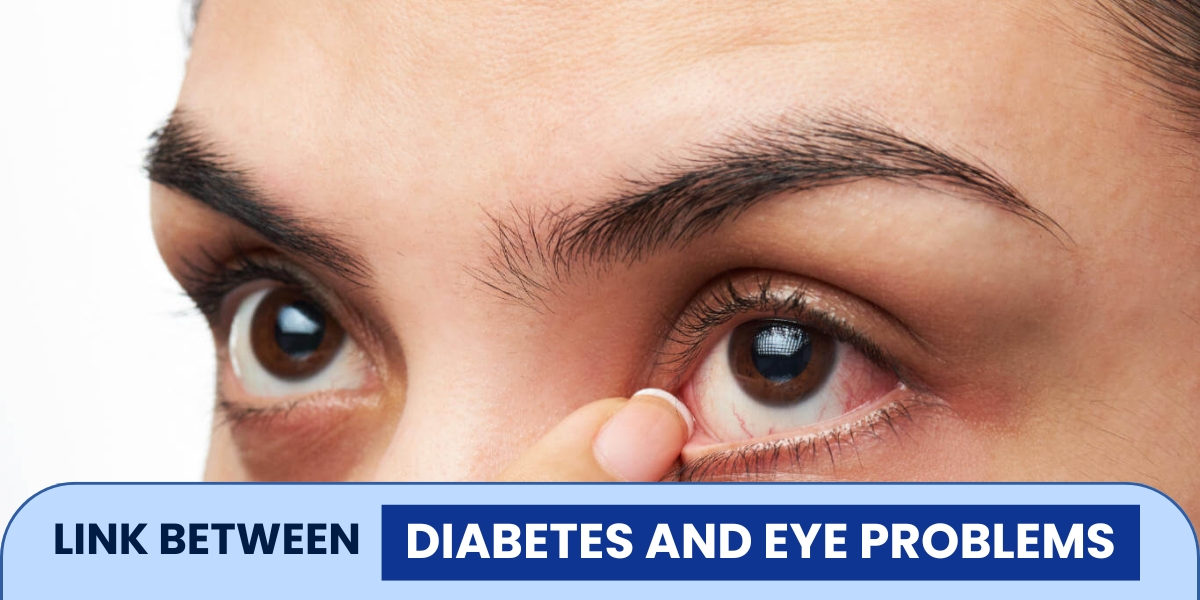
Link Between Diabetes and Eye Problems

The Link Between Diabetes and Eye Problems

Diabetes is a chronic condition that affects millions of people worldwide. While most are aware of its impact on blood sugar levels, many don’t realize the significant toll it can take on eye health. Diabetes is one of the leading causes of vision problems and even blindness in adults. Understanding the connection between diabetes and eye problems is crucial for early detection, prevention, and effective management.

How Diabetes Affects Your Eyes

Diabetes can lead to a range of eye complications, primarily due to high blood sugar levels damaging the blood vessels in the retina, a condition known as diabetic retinopathy. Over time, this damage can cause vision loss if left untreated. Here are some common eye problems associated with diabetes:

  1. Diabetic Retinopathy:
    This is the most common diabetic eye disease. High blood sugar levels cause the blood vessels in the retina to swell, leak, or even close off completely. In advanced stages, abnormal new blood vessels may grow, leading to severe vision impairment.
  2. Diabetic Macular Edema (DME):
    DME occurs when fluid builds up in the macula, the part of the retina responsible for sharp, central vision. This can cause blurry vision and, if untreated, permanent vision loss.
  3. Cataracts:
    People with diabetes are more likely to develop cataracts at a younger age. Cataracts cause the eye’s lens to become cloudy, leading to blurred vision and difficulty seeing in low light.
  4. Glaucoma:
    Diabetes doubles the risk of glaucoma, a condition where increased pressure in the eye damages the optic nerve. Without treatment, glaucoma can lead to vision loss.

Symptoms to Watch Out For

Early stages of diabetic eye problems often have no noticeable symptoms. However, as the condition progresses, you may experience:

  • Blurred or fluctuating vision
  • Dark spots or floaters
  • Difficulty seeing at night
  • Poor color vision
  • Vision loss

Prevention and Management

The good news is that many diabetes-related eye problems can be prevented or managed with proper care. Here are some steps you can take:

  1. Control Blood Sugar Levels:
    Maintaining healthy blood sugar levels is the most effective way to prevent diabetic eye complications. Regular monitoring and following your doctor’s advice are key.
  2. Regular Eye Exams:
    Annual comprehensive eye exams are essential for early detection of diabetic retinopathy and other eye conditions. Early treatment can prevent vision loss.
  3. Healthy Lifestyle Choices:
    A balanced diet, regular exercise, and avoiding smoking can significantly reduce the risk of diabetes-related eye problems.
  4. Follow Your Doctor’s Advice:
    If you’ve been diagnosed with diabetic eye disease, follow your eye specialist’s treatment plan, which may include medications, laser treatments, or surgery.

When to See an Eye Specialist

If you have diabetes, it’s important to consult an eye specialist regularly, even if you don’t notice any vision problems. Early intervention can save your sight.

Dr. Ankita Patil, a renowned child eye specialist in navi mumbai at Nihira Netralaya, is here to help. With years of experience in diagnosing and treating eye conditions, Dr. Patil provides care for patients of all ages. Whether you’re dealing with diabetes-related eye problems or other vision concerns, Visit Nihira Netralaya.

Diabetes and eye health are closely linked, but with proper care and regular check-ups, you can protect your vision. Don’t wait for symptoms to appear—take proactive steps to safeguard your eyes today.

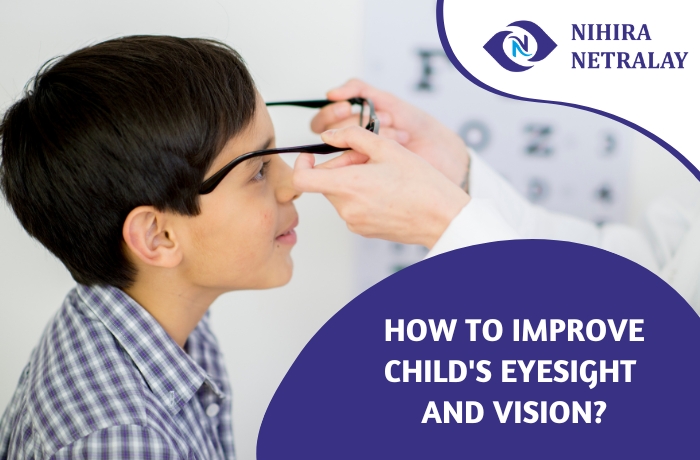
What Can I Do to Improve My Child's Eyesight and Vision

What Can I Do to Improve My Child’s Eyesight and Vision?

As parents, we want the best for our children, including maintaining their vision. If you are wondering how you can improve your child’s eyesight and vision, you are not alone. Good eyesight is essential for your child’s daily activities, including reading, playing, and even socializing. Fortunately, there are several ways you can support your child’s vision from a young age.

1. Schedule Regular Eye Exams for Your Child

A crucial step in improving your child’s eyesight is early detection of vision issues. Just like regular check-ups for other aspects of your child’s health, eye exams should be part of their routine health care. Pediatric optometrists recommend that children have their first comprehensive eye exam at 6 months of age, followed by additional exams at age 3, and again before kindergarten or first grade. Regular exams help identify any potential issues such as nearsightedness, farsightedness, astigmatism, or more serious conditions like amblyopia (lazy eye) or strabismus (crossed eyes).

2. Encourage Healthy Diet for Better Vision

What your child eats directly impacts their eye health. A balanced diet rich in nutrients plays a key role in maintaining healthy eyesight. Foods that are particularly beneficial for vision include:

  • Carrots and other orange vegetables like sweet potatoes and pumpkins: Rich in beta-carotene, which is essential for good vision.
  • Leafy greens such as spinach, kale, and collard greens: These are high in lutein and zeaxanthin, antioxidants that help protect the eyes from harmful light and reduce the risk of eye diseases.
  • Fish like salmon, tuna, and sardines: These are packed with omega-3 fatty acids, which can help protect the retina and support eye development.
  • Eggs: Full of vitamin A and zinc, both of which are critical for eye function.
  • Citrus fruits like oranges and grapefruits: Rich in vitamin C, which promotes the health of blood vessels in the eyes.

A healthy diet full of these nutrients supports retinal health, enhances vision clarity, and may prevent eye diseases down the road.

3. Limit Screen Time and Encourage Outdoor Activities

With the increased use of digital devices like tablets, smartphones, and computers, children are spending more time indoors, leading to eye strain and a higher likelihood of developing nearsightedness (myopia). To improve your child’s vision, it’s important to set boundaries on screen time. The American Academy of Pediatrics recommends limiting screen time to no more than two hours per day for children over the age of two.

Encouraging outdoor activities is equally important. Studies have shown that outdoor play can help prevent the development of myopia. The natural light exposure from being outside helps stimulate the eyes and promotes healthy eye development. Aim for at least one to two hours of outdoor activity every day. Activities like playing sports, hiking, or simply going for a walk can be great ways to keep your child engaged in nature.

4. Ensure Proper Lighting for Reading and Study

Proper lighting is essential for reducing eye strain and maintaining good eyesight. If your child is reading or studying, ensure they have adequate lighting to avoid eye fatigue. Lighting should be bright enough to avoid straining the eyes, but not so harsh that it causes discomfort. A desk lamp with an adjustable arm is ideal for creating the right lighting for reading. When your child is reading, ensure the light source is positioned behind them and directed onto the page.

Additionally, encourage your child to take breaks during long reading or screen sessions to reduce the risk of eye strain. The 20-20-20 rule is an effective strategy to follow: for every 20 minutes of screen time, encourage your child to look at something 20 feet away for at least 20 seconds. This allows the eyes to relax and reduces strain.

5. Protect Your Child’s Eyes from Harmful UV Rays

Just like skin, your child’s eyes are vulnerable to damage from the sun’s ultraviolet (UV) rays. Long-term UV exposure can lead to cataracts, macular degeneration, and other vision problems later in life. To safeguard your child’s eyesight, always have them wear UV-protective sunglasses when outdoors. Look for sunglasses that block 100% of both UVA and UVB rays. Make sure the sunglasses fit properly and are comfortable to wear.

In addition to sunglasses, hats with wide brims can provide extra protection for your child’s eyes from the sun.

6. Address Any Vision Problems Early On

If you notice signs of vision problems in your child, such as squinting, rubbing their eyes frequently, difficulty seeing the board at school, or frequent headaches, it’s important to take action immediately. Early intervention is key to treating vision impairments effectively. Conditions like amblyopia (lazy eye) or strabismus (crossed eyes) can often be corrected if caught early, reducing the risk of long-term vision problems.

If your child is already wearing glasses, make sure their prescription is up-to-date. Frequent eye exams are necessary to ensure that their vision is always optimal.

7. Correct Posture to Prevent Eye Strain

Encouraging your child to maintain proper posture while reading, writing, or using digital devices can help prevent eye strain. Ensure that your child’s eyes are at the same level as the book or screen they are looking at. This helps reduce the strain on their neck and eye muscles. Also, ensure that they are sitting at an appropriate distance from screens (about 18-24 inches) to prevent overworking their eyes.

Good posture habits are not just for preventing eye strain; they can also improve overall physical health and well-being.

8. Encourage Rest and Sleep for Healthy Eyes

Getting adequate sleep is essential for your child’s overall health, including their eye health. Lack of sleep can lead to eye strain, dryness, and discomfort. Ensure your child gets enough rest, especially on school nights. The American Academy of Sleep Medicine recommends the following sleep durations for children:

  • 6-12 years: 9-12 hours of sleep
  • 13-18 years: 8-10 hours of sleep

Adequate sleep allows the eyes to rest and rejuvenate, promoting healthy eyesight.

Steps to Support Your Child’s Eyesight

Ensuring your child’s vision health involves a combination of regular eye exams, a balanced diet, limiting screen time, proper lighting, and good lifestyle choices. Early intervention and ongoing care can prevent or address many eye conditions. By following these tips and encouraging healthy habits, you can significantly improve your child’s eyesight and ensure their vision stays strong as they grow. Dr. Ankita Patil is a renowned child eye specialist in Nerul, Navi Mumbai, offering expert care for children’s vision health. With extensive experience in pediatric ophthalmology, she specializes in diagnosing and treating a wide range of eye conditions in children, including lazy eye (amblyopia), strabismus (crossed eyes), myopia, and hyperopia (farsightedness)

Call Now Button