Eye care for school kids

Eye Care Tips for School-Going Children

Children today spend a large part of their day reading, writing, using digital screens, and doing school activities that require good vision. Healthy eyes are extremely important for learning, concentration, and overall development. Many parents notice that their child complains about headaches, eye strain, or difficulty seeing the board at school, but they may not realize that these could be signs of vision problems. Taking proper care of your child’s eyes from an early age helps prevent vision issues and ensures better academic performance and confidence.

Some simple and practical eye care tips for school-going children that every parent should know.

1. Limit Screen Time

With online learning, mobile games, and television, children are spending more time in front of screens than ever before. Excessive screen time can cause digital eye strain, dryness, and headaches.

Encourage children to follow the 20-20-20 rule:
Every 20 minutes, look at something 20 feet away for at least 20 seconds. This helps relax the eye muscles and reduce strain.

Parents should also make sure:

  • Screens are kept at least 18–24 inches away from the eyes.
  • Children avoid using devices in the dark.
  • Total screen time is limited based on age.

2. Ensure Proper Lighting While Studying

Poor lighting can put unnecessary stress on the eyes. When children study in dim light, their eyes have to work harder to focus, which may lead to eye fatigue and headaches.

Make sure:

  • Study areas have bright but comfortable lighting.
  • Light falls from behind or from the side, not directly into the eyes.
  • Children avoid studying in dark rooms or under very harsh lighting.

3. Encourage Outdoor Activities

Spending time outdoors is very beneficial for children’s eye health. Studies show that children who spend more time outside have a lower risk of developing myopia (nearsightedness).

Encourage at least 1–2 hours of outdoor play daily. Activities like cycling, sports, or simply playing outside help the eyes focus at different distances and reduce screen dependency.

4. Provide a Healthy Eye-Friendly Diet

Nutrition plays a major role in maintaining healthy eyesight. Certain vitamins and minerals are essential for eye development.

Include foods rich in:

  • Vitamin A – Carrots, sweet potatoes, spinach
  • Vitamin C – Oranges, strawberries, tomatoes
  • Omega-3 fatty acids – Fish, walnuts, flaxseeds
  • Lutein and Zeaxanthin – Green leafy vegetables

A balanced diet helps keep the eyes strong and supports overall growth.

5. Teach Good Reading Habits

Incorrect reading habits can lead to eye strain. Many children read very close to their books or lie down while studying.

Parents should guide children to:

  • Maintain a distance of at least 30–40 cm between the eyes and the book.
  • Sit upright while reading.
  • Avoid reading while lying down or inside moving vehicles.

These small habits help protect vision in the long term.

6. Watch for Signs of Vision Problems

Sometimes children may not realize they have a vision problem. Parents and teachers should look for signs such as:

  • Squinting while looking at the board
  • Frequent headaches
  • Holding books very close to the face
  • Excessive blinking or rubbing the eyes
  • Difficulty concentrating during reading

If you notice any of these signs, it is important to consult an eye specialist for children.

7. Schedule Regular Eye Check-ups

Routine eye examinations help detect vision problems early. Many conditions like lazy eye (amblyopia), squint, or refractive errors can be easily treated if identified early.

Experts recommend that children should have regular eye check-ups at least once a year, especially during their growing years. Healthy eyes are essential for a child’s learning and development. By encouraging good habits, limiting screen time, providing proper nutrition, and ensuring regular eye check-ups, parents can protect their child’s vision for the future. Small steps taken today can prevent serious eye problems later in life.

About Dr. Ankita Patil – Pediatric Eye Specialist in Navi Mumbai

Dr. Ankita Patil is a highly skilled Pediatric Eye Doctor in Navi Mumbai who focuses on diagnosing and treating eye problems in infants, children, and teenagers. She has extensive experience in managing conditions such as refractive errors, squint (strabismus), lazy eye, childhood eye infections, and vision development issues.

How to take care of eyes in Summer

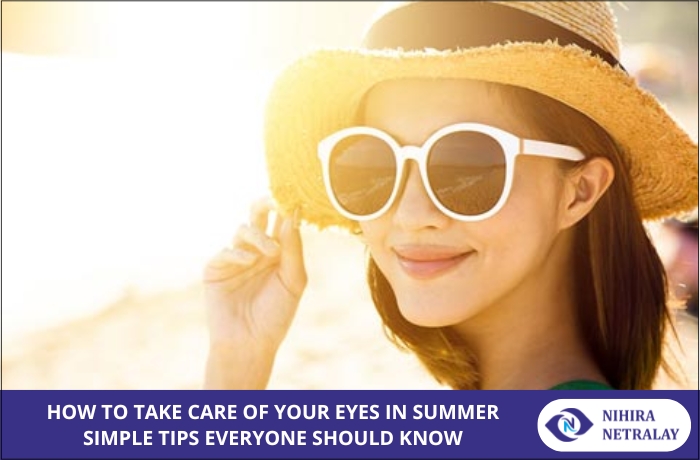
How to take care of your eyes in summer?

Summer is a season of sunshine, vacations, and outdoor fun. But while most people remember to protect their skin from the sun, many forget that their eyes also need protection. The strong sunlight, dust, heat, pollution, and dry winds during summer can cause eye problems like redness, irritation, dryness, and infections. In some cases, long exposure to harmful ultraviolet (UV) rays can even increase the risk of serious eye conditions like cataracts or photokeratitis (sunburn of the eye).

The good news is that taking care of your eyes in summer is simple. With a few healthy habits and precautions, you can keep your eyes comfortable and healthy throughout the hot season. Let’s look at some easy and practical tips for summer eye care that anyone can follow.

Must Read Article : What are the 10 tips to healthy eyes?

Why Eye Care Is Important in Summer

During summer, your eyes are exposed to several environmental factors that can affect vision and comfort. Bright sunlight contains ultraviolet (UV) radiation, which can damage the delicate tissues of the eye over time. Heat and dry winds can also reduce the moisture on the eye surface, leading to dry eye symptoms such as burning, itching, and redness.

Another common issue in summer is exposure to dust, pollen, and allergens, which may cause eye allergies or infections like conjunctivitis. Swimming in pools without proper protection can also irritate the eyes due to chlorine and other chemicals.

Because of these factors, eye specialists often recommend following simple protective habits during the summer months. By doing so, you can enjoy outdoor activities while keeping your vision safe.

1. Wear Sunglasses with UV Protection

One of the most important things you can do for your eyes in summer is wear good quality sunglasses whenever you go outside. Sunglasses protect your eyes from harmful UVA and UVB rays that can damage the eye surface and increase the risk of cataracts or other eye diseases.

When choosing sunglasses, make sure they:

  • Block 100% UVA and UVB rays
  • Have large or wraparound frames for better coverage
  • Are comfortable and fit properly

It’s important to remember that dark lenses alone do not guarantee UV protection. Always check the label before buying sunglasses. Experts also recommend wearing sunglasses even on cloudy days because UV rays can still reach your eyes.

2. Use a Hat or Cap for Extra Protection

Sunglasses provide good protection, but combining them with a wide-brimmed hat or cap gives even better protection. A hat can block a significant amount of sunlight from reaching your eyes and reduce glare.

Studies suggest that wearing a wide-brimmed hat can block up to 50% of UV rays from directly entering the eyes. This is especially helpful when you are outdoors for a long time, such as during travel, sports, or walking in the sun.

3. Keep Your Eyes Hydrated

Just like your body, your eyes also need proper hydration. In summer, heat and dehydration can lead to dry eyes, causing irritation and discomfort.

To prevent this:

  • Drink 8–10 glasses of water daily
  • Use lubricating eye drops (artificial tears) if recommended by a doctor
  • Avoid sitting directly under air conditioners or fans for long periods

Artificial tears can help maintain moisture on the eye surface and keep your eyes comfortable, especially during hot and dry weather.

4. Avoid Rubbing Your Eyes

Many people experience itchy eyes in summer due to dust, pollen, or sweat. Rubbing your eyes may seem like a quick solution, but it can actually make the irritation worse.

Rubbing can:

  • Introduce bacteria or dirt into the eyes
  • Cause redness and swelling
  • Increase the risk of infection

Instead of rubbing, gently wash your eyes with clean water or use prescribed eye drops. Keeping your hands clean also helps prevent infections.

5. Protect Your Eyes While Swimming

Swimming is a popular summer activity, but pool water contains chlorine and other chemicals that may irritate the eyes. This can cause redness, burning, or dryness.

To protect your eyes:

  • Wear swimming goggles
  • Avoid opening your eyes underwater
  • Remove contact lenses before swimming

These simple steps can reduce the risk of irritation and infection.

6. Follow the 20-20-20 Rule for Screen Use

During summer holidays, many people spend more time on mobile phones, computers, and TVs. Excessive screen time can lead to digital eye strain, causing headaches, blurry vision, and tired eyes.

Eye specialists recommend the 20-20-20 rule:

  • Every 20 minutes
  • Look at something 20 feet away
  • For at least 20 seconds

This simple habit helps relax your eye muscles and reduce strain from screens.

7. Eat Healthy Foods for Eye Health

A healthy diet plays an important role in maintaining good vision. During summer, include foods that are rich in vitamins and antioxidants.

Some eye-friendly foods include:

  • Carrots
  • Spinach and leafy vegetables
  • Tomatoes
  • Citrus fruits
  • Nuts and seeds
  • Fish rich in omega-3 fatty acids

These nutrients help protect the eyes from damage and support overall eye health.

8. Maintain Proper Contact Lens Hygiene

If you wear contact lenses, summer requires extra care. Sweat, dust, and swimming can increase the risk of eye infections.

Follow these precautions:

  • Wash your hands before touching lenses
  • Clean lenses properly
  • Avoid wearing lenses while swimming
  • Replace lenses as recommended

Some doctors suggest using daily disposable lenses during summer to reduce infection risk.

9. Avoid Going Out During Peak Sun Hours

The sun’s UV rays are strongest between 10 AM and 4 PM. If possible, try to limit outdoor activities during this time or stay in shaded areas.

If you must go outside:

  • Wear sunglasses
  • Use a hat or umbrella
  • Take breaks indoors

These precautions can help reduce UV exposure and protect your eyes.

10. Schedule Regular Eye Checkups

Regular eye checkups are essential for maintaining good vision. Many eye problems develop slowly and may not show symptoms in the early stages.

A routine eye examination can help:

  • Detect vision problems early
  • Check for eye diseases
  • Update your glasses prescription

Eye specialists recommend having an eye exam at least once a year, especially if you already have vision problems.

Consult Dr. Ankita Patil – Best Eye Specialist in Navi Mumbai

If you are experiencing symptoms such as eye redness, dryness, irritation, blurred vision, or frequent headaches during summer, it is important to consult an experienced eye specialist. Dr. Ankita Patil, a highly skilled and trusted eye specialist in Navi Mumbai, provides eye care services including routine eye checkups, treatment for eye infections, dry eye management, cataract evaluation, and advanced eye care solutions.

Visit : Dr. Ankita Patil | Kids Eye Specialist, Squint & Cataract Surgeon | Eye Clinic in Nerul, Navi Mumbai | Nihira Netralay

Address : Sector 28, Nerul, Navi Mumbai, Maharashtra 400706

Contact Number : +91 8779690795

Frequently Asked Questions (FAQs)

1. Why do eyes feel dry during summer?

Summer heat, dry winds, and air conditioning reduce moisture in the eyes, which can lead to dry eye symptoms like irritation, redness, and burning sensation.

2. Are sunglasses really necessary in summer?

Yes. Sunglasses that block 100% UVA and UVB rays protect your eyes from harmful ultraviolet radiation that can cause eye damage over time.

3. Can swimming cause eye infections?

Yes. Swimming in pools without goggles can expose your eyes to chlorine and bacteria, which may cause irritation or infection.

4. How much water should I drink for healthy eyes?

Drinking at least 8–10 glasses of water daily helps maintain moisture levels in the body and supports healthy tear production for the eyes.

5. When should I see an eye doctor in summer?

You should visit an eye doctor if you experience persistent redness, pain, blurred vision, excessive watering, or sensitivity to light, as these may indicate an eye infection or other problem.

Eye Care Tips

What are the 10 tips to healthy eyes?

Your eyes help you see the world clearly. But in today’s digital lifestyle, long screen time, pollution, and unhealthy food habits are affecting eye health at an early age. Many people visit an eye doctor only when they face blurred vision, eye pain, or redness. However, prevention is always better than treatment.

Let’s understand the 10 simple and practical tips for healthy eyes that everyone can follow.

1. Get Regular Eye Check-ups

Even if your vision seems normal, regular eye check-ups are important. Many eye problems like glaucoma and diabetic retinopathy do not show early symptoms. Adults should get their eyes tested every 1–2 years. Children and senior citizens may need more frequent check-ups.

2. Follow the 20-20-20 Rule for Screen Use

If you work on a computer or use a mobile for long hours:

  • Every 20 minutes
  • Look at something 20 feet away
  • For at least 20 seconds

This reduces eye strain, dryness, and headache caused by digital screens.

3. Eat Eye-Friendly Foods

A healthy diet keeps your eyes strong. Include:

  • Green leafy vegetables (spinach, kale)
  • Carrots
  • Citrus fruits (oranges, lemons)
  • Nuts and seeds
  • Fish rich in omega-3 (like salmon)

These foods help prevent age-related eye problems and improve vision health.

4. Wear Sunglasses in Sunlight

UV rays from sunlight can damage your eyes and increase the risk of cataracts. Always wear good-quality sunglasses that block 100% UV rays when going outside, especially during peak sunlight hours.

5. Avoid Rubbing Your Eyes

Rubbing your eyes can:

  • Spread infection
  • Cause redness and irritation
  • Damage the cornea

If your eyes feel itchy, wash them with clean water or consult an eye specialist.

6. Maintain Proper Hygiene

To prevent eye infections:

  • Wash hands before touching your eyes
  • Remove makeup before sleeping
  • Do not share towels or eye cosmetics
  • Replace contact lenses as advised

Good hygiene protects against conjunctivitis and other infections.

7. Control Blood Sugar and Blood Pressure

Conditions like diabetes and high blood pressure can seriously damage your eyes. Regular monitoring and proper treatment help prevent complications like diabetic eye disease and vision loss.

8. Get Enough Sleep

Your eyes need rest. Lack of sleep can cause:

  • Dry eyes
  • Redness
  • Eye twitching
  • Blurred vision

Aim for 7–8 hours of quality sleep daily.

9. Use Proper Lighting

Reading or working in poor lighting can strain your eyes. Make sure your room has proper lighting and avoid glare from screens. Adjust screen brightness according to your surroundings.

10. Quit Smoking

Smoking increases the risk of:

  • Cataracts
  • Macular degeneration
  • Optic nerve damage

Quitting smoking significantly improves overall eye and body health.

When Should You See an Eye Specialist?

Consult an eye specialist if you notice:

  • Blurred or double vision
  • Eye pain
  • Frequent headaches
  • Sudden vision loss
  • Flashes or floaters

Early diagnosis can prevent permanent damage.

If you are in Navi Mumbai, you can consult Dr. Ankita Patil, an experienced Eye Specialist in Nerul, Navi Mumbai, for complete eye check-ups and advanced treatment.

Healthy eyes are essential for a better quality of life. By following these simple daily habits, you can protect your vision and reduce the risk of serious eye diseases. Regular eye check-ups, healthy eating, proper hygiene, and limited screen time can make a big difference.

If you are looking for professional eye care in Navi Mumbai, consult Dr. Ankita Patil for expert guidance and personalized treatment.

When to see eye Specialist

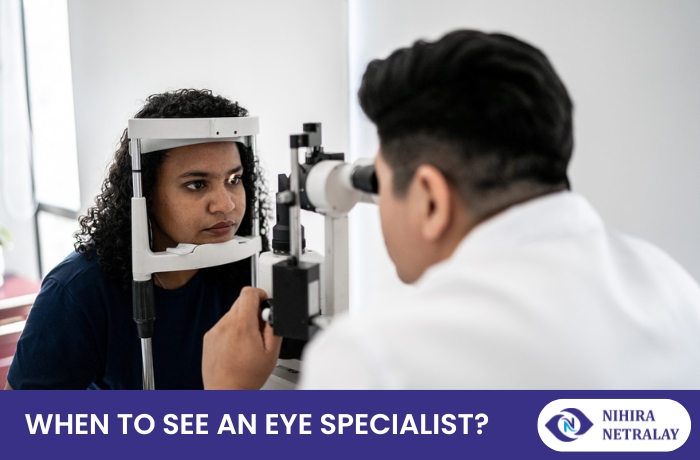
When to See an Eye Specialist?

Our eyes are our windows to the world, yet we often take their health for granted until a problem arises. Knowing when to seek professional help is crucial for preserving your vision and catching potential issues early. Regular check-ups are important, but certain signs and life stages demand a prompt visit to an eye specialist.

Key Signs You Need to See an Eye Specialist

1. Sudden or Gradual Vision Changes: This includes blurred vision, double vision, sudden flashes of light, floaters (new specks or strands in your field of vision), or a curtain-like shadow over your sight. Sudden vision loss is a medical emergency.

2. Eye Pain or Discomfort: Persistent pain, a feeling of grittiness, burning, or intense itching are not normal and could indicate infection, inflammation, or injury.

3. Redness & Swelling: While occasional redness is common, persistent redness accompanied by pain, discharge, or light sensitivity could point to conditions like uveitis, glaucoma, or a serious infection.

4. Trouble with Daily Tasks: Struggling to read, drive (especially at night due to glare), watch TV, or distinguish colors can signal refractive errors, cataracts, or other age-related conditions.

5. Underlying Health Conditions: If you have diabetes, hypertension, or a family history of glaucoma or macular degeneration, regular specialist visits are non-negotiable for monitoring and prevention.

6. Preventive Care Milestones: Children should have their first screening around 6 months, again before school, and periodically thereafter. Adults should have a baseline exam at 40, and after 60, annual check-ups are highly recommended.

Dr. Ankita Patil – Top Eye Specialist in Nerul, Navi Mumbai

Seeking exceptional eye care in Navi Mumbai, Dr. Ankita Patil stands out as a trusted and highly skilled ophthalmologist in Nerul, Navi Mumbai. Dr. Ankita Patil provides care for a wide range of conditions—from routine refractive error corrections and cataract surgery to the management of glaucoma, diabetic retinopathy, and complex eye diseases.

Frequently Asked Questions

1. How often should you get your eyes checked?
Adults with no risk factors should have a comprehensive exam every 2 years. Seniors over 60 and those with risk factors like diabetes or high family risk should see a specialist annually.

2. What is the difference between an optometrist and an ophthalmologist?
An optometrist (OD) provides primary vision care, prescribes glasses/contacts, and diagnoses common eye issues. An ophthalmologist (MD) is a medical doctor who can perform surgery and treat complex eye diseases. For medical concerns, see an ophthalmologist.

3. What are the symptoms of a retinal detachment?
Warning signs include the sudden appearance of many floaters, flashes of light in one or both eyes, and a dark shadow or “curtain” over your field of vision. This is an emergency requiring immediate specialist attention.

4. Can screen time damage your eyes?
Prolonged screen time causes digital eye strain (headaches, dry eyes, blurred vision) but doesn’t cause permanent damage. Follow the 20-20-20 rule: every 20 minutes, look at something 20 feet away for 20 seconds.

5. What are early signs of glaucoma?
Glaucoma is often called the “silent thief of sight” as early stages have no symptoms. Later signs include gradual loss of peripheral vision, tunnel vision, and eye pain with headache. Regular pressure checks are vital.

Winter eye care tips

How to protect your eyes in the winter?

When we think of winter, we often bundle up in coats and gloves to guard against the cold. But what about our eyes? Many people don’t realize that the chilly, dry months can be just as harsh on our eyes as the blazing summer sun. From biting winds to indoor heating, winter presents a unique set of challenges for maintaining eye health.

The good news is that with a few simple precautions, you can keep your eyes comfortable, healthy, and protected all season long.

Essential guide to winter eye care.

1. Combat Dryness with Artificial Tears

The combination of cold, dry air outside and forced-air heating inside rapidly depletes the eye’s natural tear film. This can lead to irritation, a gritty feeling, redness, and even excessive watering as your eyes overcompensate.

The Solution: Keep a bottle of preservative-free artificial tears handy. Use them throughout the day to lubricate your eyes and restore moisture. For an extra boost, run a humidifier in your bedroom or main living area to add moisture back into the air.

2. Never Leave Home Without Your Sunglasses

Winter sun can be surprisingly deceptive. Snow and ice are highly reflective surfaces, bouncing up to 80% of UV rays directly into your eyes. This glare can cause a condition called photokeratitis, essentially a sunburn of the cornea, which is painful and damaging.

The Solution: Your sunglasses are a year-round necessity. Choose a pair that offers 100% UVA and UVB protection. Wraparound styles are particularly effective in winter as they also shield your eyes from the drying effects of the wind.

3. Shield Your Eyes from the Wind

Biting winter winds can cause eyes to water excessively and dry out quickly. For contact lens wearers, this is especially problematic as it can make lenses feel uncomfortable and gritty.

The Solution: When outdoors, wear protective eyewear like the sunglasses mentioned above or even clear protective glasses. A wide-brimmed hat can also provide an extra layer of defense against wind and glare.

4. Stay Hydrated and Eat for Eye Health

Hydration isn’t just for summer. Your body needs adequate water to produce tears, even in the colder months. Furthermore, a diet rich in certain nutrients can support overall eye health.

The Solution: Drink plenty of water throughout the day. Incorporate omega-3 fatty acids (found in fish, flaxseeds, and walnuts) into your diet, as they help support the eye’s oily lipid layer, preventing tears from evaporating too quickly. Don’t forget vitamins C and E and zinc, found in citrus fruits and leafy greens.

5. Take Screen Breaks and Blink More

With shorter days, we tend to spend more time indoors on digital devices. This can exacerbate winter dryness by reducing our blink rate, leading to digital eye strain.

The Solution: Practice the 20-20-20 rule: every 20 minutes, look at something 20 feet away for at least 20 seconds. Make a conscious effort to blink fully and more often to spread a fresh layer of tears over your eyes.

By following these simple yet effective tips, you can ensure your eyes stay healthy, comfortable, and protected, allowing you to fully enjoy the beauty of the winter season.

About Dr. Ankita Patil – top eye specialist in navi mumbai

For personalized care and expert advice on managing persistent dry eye, cataracts, or other vision concerns, consider consulting with a specialist. Dr. Ankita Patil, a top eye specialist in Navi Mumbai, is renowned for her compassionate patient care and advanced surgical expertise.

FAQs: Protecting Your Eyes in Winter

1. Why are my eyes more dry in winter?
Dry eyes in winter are primarily caused by low humidity levels outdoors and dry, heated air indoors, which accelerates the evaporation of your eye’s protective tear film.

2. Do I need sunglasses in winter?
Yes, absolutely. Snow and ice reflect up to 80% of UV rays, increasing your exposure and risk of sun-related eye damage. Sunglasses with 100% UV protection are essential.

3. Can cold wind harm my eyes?
Yes, cold, windy conditions can cause immediate irritation and excessive tearing, and can worsen dry eye symptoms by stripping moisture from the eyes’ surface.

Call Now Button