
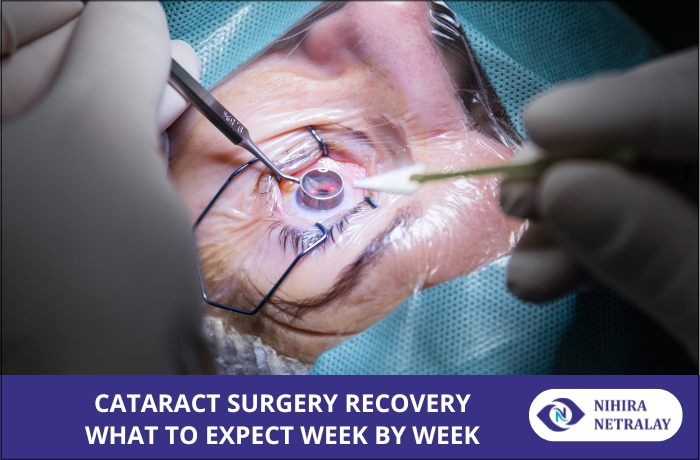
Cataract surgery is one of the safest and most successful eye procedures performed today. While the surgery itself usually takes only 15–20 minutes, the healing process continues for several weeks. Most patients notice clearer vision within a few days, but complete visual stabilization may take 4–6 weeks depending on age, overall eye health, and adherence to post-operative care instructions.
If you’re searching for terms like “how long does cataract surgery recovery take,” “when can I drive after cataract surgery,” “cataract surgery recovery tips,” or “how long is blurry vision after cataract surgery,” this week-by-week guide will help you understand what to expect.
What Happens Immediately After Cataract Surgery?
After surgery, your cloudy natural lens is replaced with a clear artificial intraocular lens (IOL). Most patients return home the same day. It is normal to experience:
- Mild blurry or hazy vision
- Light sensitivity
- Slight redness
- A gritty or foreign-body sensation
- Mild watering of the eye
Your surgeon will prescribe antibiotic and anti-inflammatory eye drops to prevent infection and reduce inflammation.
Days 1–3: The Initial Recovery Phase
The first few days are crucial for healing.
What You May Experience
- Blurry or fluctuating vision
- Mild discomfort
- Increased sensitivity to bright lights
- Slight tearing or dryness
What You Should Do
✅ Use prescribed eye drops exactly as directed
✅ Wear the protective eye shield while sleeping
✅ Wear sunglasses outdoors
✅ Rest your eyes and stay hydrated
What to Avoid
❌ Rubbing your eyes
❌ Heavy lifting
❌ Swimming
❌ Dusty or smoky environments
❌ Getting water directly into the operated eye
Many patients begin noticing improvements in vision within 24–48 hours.
Week 1: Vision Starts Improving
By the end of the first week, most patients experience noticeable visual improvement.
Common Changes
- Colors appear brighter
- Vision becomes clearer
- Reduced glare and cloudiness
- Improved contrast sensitivity
Many people can resume light daily activities such as reading, watching television, and using smartphones or computers. However, vision may still fluctuate during this stage.
Frequently Asked Question:
“Can I drive after cataract surgery?”
Many patients are cleared to drive within a few days if their vision meets legal requirements and their ophthalmologist approves. Always follow your surgeon’s advice.
Weeks 2–3: Adjustment Period
During this phase, your brain and eyes adapt to the new intraocular lens.
What You Can Expect
- More stable vision
- Better depth perception
- Reduced eye irritation
- Improved overall comfort
Most patients can gradually return to:
- Walking
- Light exercise
- Office work
- Daily household activities
However, strenuous workouts, swimming, and contact sports should still be avoided unless approved by your eye specialist.
Week 4: Near Complete Recovery
By the fourth week, most patients feel almost back to normal.
Improvements Typically Seen
- Stable and clearer vision
- Better night vision
- Reduced dependence on glasses (depending on lens type)
- Improved confidence in daily activities
Your ophthalmologist may perform a follow-up examination and determine whether a new glasses prescription is needed.
Weeks 5–6: Full Visual Stabilization
For most people, recovery is essentially complete by 4–6 weeks.
At This Stage
- Vision is fully stabilized
- Eye drops are often discontinued
- Normal exercise routines can usually resume
- Final visual outcomes become apparent
Many patients report significantly improved quality of life, brighter colors, and sharper vision compared to before surgery.
Warning Signs: When to Contact Your Eye Doctor
Although complications are uncommon, seek immediate medical attention if you experience:
- Sudden vision loss
- Severe eye pain
- Significant redness
- Flashing lights
- New floaters
- Persistent swelling
- Signs of infection
Prompt treatment can prevent serious complications and protect your vision.
Cataract Surgery Recovery Tips for Faster Healing
To ensure the best outcome:
- Follow your eye drop schedule carefully
- Attend all follow-up appointments
- Avoid rubbing your eyes
- Wear sunglasses outdoors
- Maintain good hygiene
- Avoid dusty environments
- Follow your surgeon’s activity restrictions
These simple steps can significantly improve healing and reduce the risk of complications.
Frequently Asked Questions
How long does blurry vision last after cataract surgery?
Most patients experience blurry vision for a few days, though mild fluctuations can continue for several weeks.
Can cataracts come back after surgery?
No. Once the cataract is removed, it cannot return. However, some patients may develop a condition called posterior capsule opacification (secondary cataract), which is easily treatable.
When can I return to work?
Many people return to desk jobs within a few days, while physically demanding jobs may require additional recovery time.
Can I use my mobile phone after cataract surgery?
Yes. Limited screen time is generally safe, but frequent breaks are recommended during the first week.
Final Thoughts
Cataract surgery offers life-changing improvements in vision and quality of life. While most patients notice better sight within a few days, full recovery typically takes 4–6 weeks. Understanding the recovery timeline and following your ophthalmologist’s instructions can help ensure the best possible visual outcome.
About Dr. Ankita Patil – Best Eye Specialist in Navi Mumbai
If you are considering cataract surgery or need expert guidance for cataract management, Dr. Ankita Patil is a trusted eye specialist in Navi Mumbai. She specializes in comprehensive eye care, cataract evaluation, pediatric ophthalmology, squint treatment, and advanced cataract surgery. Whether you’re experiencing blurry vision, difficulty driving at night, or age-related cataract symptoms, consulting an experienced eye specialist can help you make informed decisions about your eye care journey.