
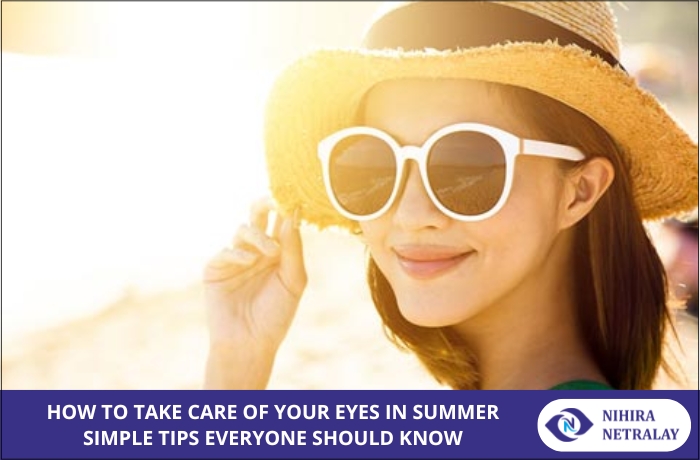
Summer is a season of sunshine, vacations, and outdoor fun. But while most people remember to protect their skin from the sun, many forget that their eyes also need protection. The strong sunlight, dust, heat, pollution, and dry winds during summer can cause eye problems like redness, irritation, dryness, and infections. In some cases, long exposure to harmful ultraviolet (UV) rays can even increase the risk of serious eye conditions like cataracts or photokeratitis (sunburn of the eye).
The good news is that taking care of your eyes in summer is simple. With a few healthy habits and precautions, you can keep your eyes comfortable and healthy throughout the hot season. Let’s look at some easy and practical tips for summer eye care that anyone can follow.
Must Read Article : What are the 10 tips to healthy eyes?
Why Eye Care Is Important in Summer
During summer, your eyes are exposed to several environmental factors that can affect vision and comfort. Bright sunlight contains ultraviolet (UV) radiation, which can damage the delicate tissues of the eye over time. Heat and dry winds can also reduce the moisture on the eye surface, leading to dry eye symptoms such as burning, itching, and redness.
Another common issue in summer is exposure to dust, pollen, and allergens, which may cause eye allergies or infections like conjunctivitis. Swimming in pools without proper protection can also irritate the eyes due to chlorine and other chemicals.
Because of these factors, eye specialists often recommend following simple protective habits during the summer months. By doing so, you can enjoy outdoor activities while keeping your vision safe.
1. Wear Sunglasses with UV Protection
One of the most important things you can do for your eyes in summer is wear good quality sunglasses whenever you go outside. Sunglasses protect your eyes from harmful UVA and UVB rays that can damage the eye surface and increase the risk of cataracts or other eye diseases.
When choosing sunglasses, make sure they:
- Block 100% UVA and UVB rays
- Have large or wraparound frames for better coverage
- Are comfortable and fit properly
It’s important to remember that dark lenses alone do not guarantee UV protection. Always check the label before buying sunglasses. Experts also recommend wearing sunglasses even on cloudy days because UV rays can still reach your eyes.
2. Use a Hat or Cap for Extra Protection
Sunglasses provide good protection, but combining them with a wide-brimmed hat or cap gives even better protection. A hat can block a significant amount of sunlight from reaching your eyes and reduce glare.
Studies suggest that wearing a wide-brimmed hat can block up to 50% of UV rays from directly entering the eyes. This is especially helpful when you are outdoors for a long time, such as during travel, sports, or walking in the sun.
3. Keep Your Eyes Hydrated
Just like your body, your eyes also need proper hydration. In summer, heat and dehydration can lead to dry eyes, causing irritation and discomfort.
To prevent this:
- Drink 8–10 glasses of water daily
- Use lubricating eye drops (artificial tears) if recommended by a doctor
- Avoid sitting directly under air conditioners or fans for long periods
Artificial tears can help maintain moisture on the eye surface and keep your eyes comfortable, especially during hot and dry weather.
4. Avoid Rubbing Your Eyes
Many people experience itchy eyes in summer due to dust, pollen, or sweat. Rubbing your eyes may seem like a quick solution, but it can actually make the irritation worse.
Rubbing can:
- Introduce bacteria or dirt into the eyes
- Cause redness and swelling
- Increase the risk of infection
Instead of rubbing, gently wash your eyes with clean water or use prescribed eye drops. Keeping your hands clean also helps prevent infections.
5. Protect Your Eyes While Swimming
Swimming is a popular summer activity, but pool water contains chlorine and other chemicals that may irritate the eyes. This can cause redness, burning, or dryness.
To protect your eyes:
- Wear swimming goggles
- Avoid opening your eyes underwater
- Remove contact lenses before swimming
These simple steps can reduce the risk of irritation and infection.
6. Follow the 20-20-20 Rule for Screen Use
During summer holidays, many people spend more time on mobile phones, computers, and TVs. Excessive screen time can lead to digital eye strain, causing headaches, blurry vision, and tired eyes.
Eye specialists recommend the 20-20-20 rule:
- Every 20 minutes
- Look at something 20 feet away
- For at least 20 seconds
This simple habit helps relax your eye muscles and reduce strain from screens.
7. Eat Healthy Foods for Eye Health
A healthy diet plays an important role in maintaining good vision. During summer, include foods that are rich in vitamins and antioxidants.
Some eye-friendly foods include:
- Carrots
- Spinach and leafy vegetables
- Tomatoes
- Citrus fruits
- Nuts and seeds
- Fish rich in omega-3 fatty acids
These nutrients help protect the eyes from damage and support overall eye health.
8. Maintain Proper Contact Lens Hygiene
If you wear contact lenses, summer requires extra care. Sweat, dust, and swimming can increase the risk of eye infections.
Follow these precautions:
- Wash your hands before touching lenses
- Clean lenses properly
- Avoid wearing lenses while swimming
- Replace lenses as recommended
Some doctors suggest using daily disposable lenses during summer to reduce infection risk.
9. Avoid Going Out During Peak Sun Hours
The sun’s UV rays are strongest between 10 AM and 4 PM. If possible, try to limit outdoor activities during this time or stay in shaded areas.
If you must go outside:
- Wear sunglasses
- Use a hat or umbrella
- Take breaks indoors
These precautions can help reduce UV exposure and protect your eyes.
10. Schedule Regular Eye Checkups
Regular eye checkups are essential for maintaining good vision. Many eye problems develop slowly and may not show symptoms in the early stages.
A routine eye examination can help:
- Detect vision problems early
- Check for eye diseases
- Update your glasses prescription
Eye specialists recommend having an eye exam at least once a year, especially if you already have vision problems.
Consult Dr. Ankita Patil – Best Eye Specialist in Navi Mumbai
If you are experiencing symptoms such as eye redness, dryness, irritation, blurred vision, or frequent headaches during summer, it is important to consult an experienced eye specialist. Dr. Ankita Patil, a highly skilled and trusted eye specialist in Navi Mumbai, provides eye care services including routine eye checkups, treatment for eye infections, dry eye management, cataract evaluation, and advanced eye care solutions.
Visit : Dr. Ankita Patil | Kids Eye Specialist, Squint & Cataract Surgeon | Eye Clinic in Nerul, Navi Mumbai | Nihira Netralay
Address : Sector 28, Nerul, Navi Mumbai, Maharashtra 400706
Contact Number : +91 8779690795
Frequently Asked Questions (FAQs)
1. Why do eyes feel dry during summer?
Summer heat, dry winds, and air conditioning reduce moisture in the eyes, which can lead to dry eye symptoms like irritation, redness, and burning sensation.
2. Are sunglasses really necessary in summer?
Yes. Sunglasses that block 100% UVA and UVB rays protect your eyes from harmful ultraviolet radiation that can cause eye damage over time.
3. Can swimming cause eye infections?
Yes. Swimming in pools without goggles can expose your eyes to chlorine and bacteria, which may cause irritation or infection.
4. How much water should I drink for healthy eyes?
Drinking at least 8–10 glasses of water daily helps maintain moisture levels in the body and supports healthy tear production for the eyes.
5. When should I see an eye doctor in summer?
You should visit an eye doctor if you experience persistent redness, pain, blurred vision, excessive watering, or sensitivity to light, as these may indicate an eye infection or other problem.